US Flu Season Closes With Heavy Toll as RSV and TB Findings Raise Concern
With 23,000 flu deaths this season, new RSV mortality data and unexpected TB detections in Boston hospitals are reshaping the US respiratory disease picture.
Overview
The 2025–26 influenza season in the United States is entering its final phase, but the cumulative toll has been substantial. According to CDC surveillance data reported by CIDRAP, the season has produced an estimated 31 million illnesses, 380,000 hospitalizations, and 23,000 deaths — figures that put it among the more severe recent seasons. As flu activity retreats, public health attention is shifting toward two overlapping threats: respiratory syncytial virus (RSV), which new research shows carries far higher mortality in hospitalized older adults than previously appreciated, and a striking new finding from Boston-area hospitals suggesting that tuberculosis (TB) may be circulating at low levels in the US population more widely than standard surveillance has captured. Threading through all of this is a deepening crisis in US vaccine policy, with institutional restructuring, rising public skepticism, and diverging state-level approaches creating genuine uncertainty about the country’s immunization infrastructure heading into next respiratory season.
Current Situation
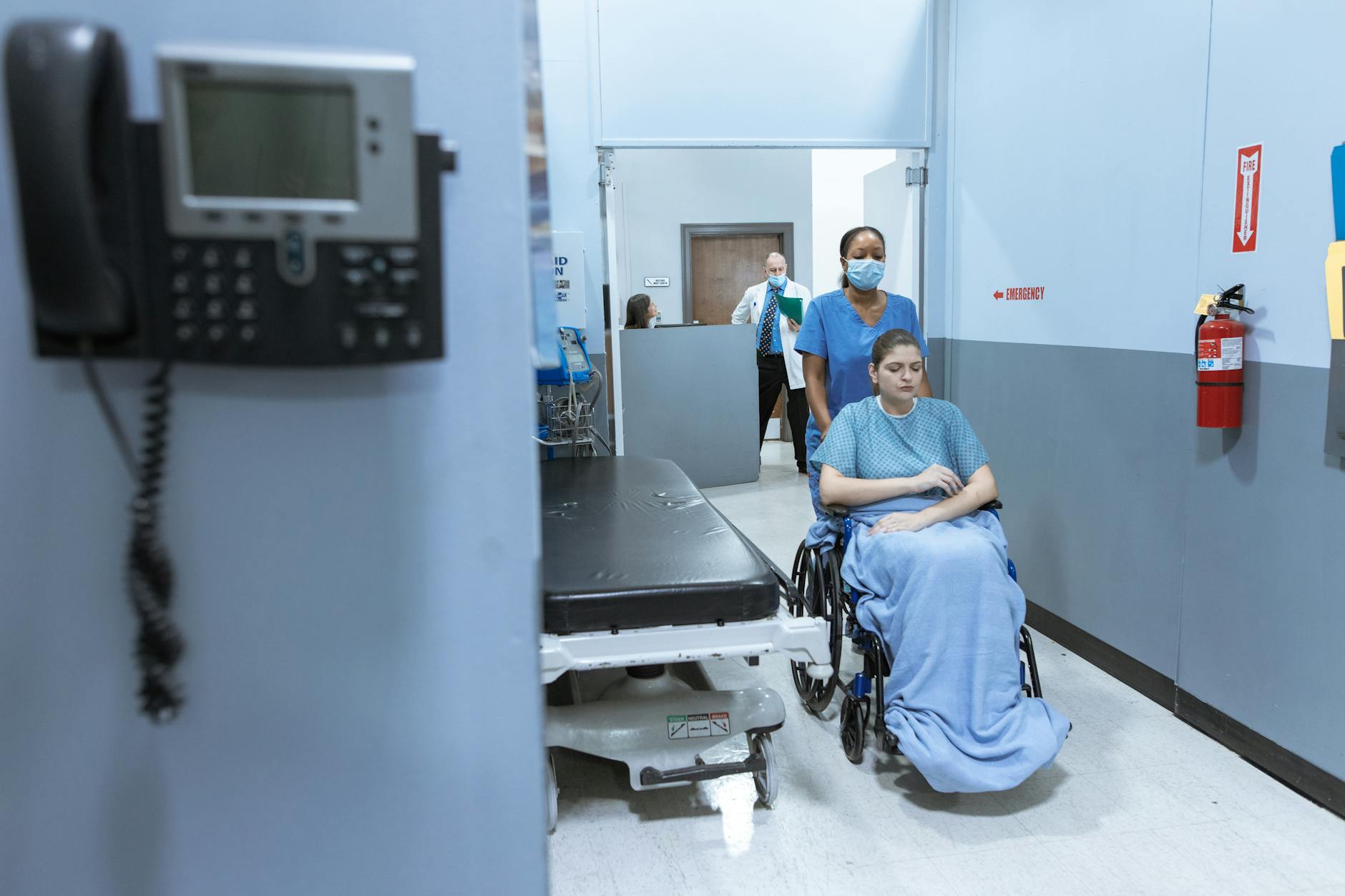 Image: Pexels/RDNE Stock project
As of the week ending in mid-April 2026, the CDC had recorded four additional pediatric influenza deaths, bringing season-to-date child fatalities to a total consistent with moderate-to-severe recent seasons. Flu-like illness activity has dropped to near-baseline levels in most regions, and laboratory-confirmed influenza positivity rates have declined markedly — the classic signal that a season is burning out. However, CIDRAP notes that rotavirus activity is running unusually high across the United States this spring, a reminder that the burden of acute respiratory and gastrointestinal pathogens does not simply end when flu does.
The RSV picture is more sobering. A peer-reviewed study highlighted this week found that among older adults hospitalized with confirmed RSV infection, the 30-day mortality rate was 12% and the 90-day mortality rate reached 19%. Those are figures comparable to serious bacterial infections and significantly higher than mortality rates typically cited in public discussion of RSV, which has often been framed primarily as a disease of infants. Complications were also frequent in this population, reinforcing the clinical case for RSV vaccination uptake among adults over 60 — a cohort for which approved vaccines have existed since 2023 but for which coverage has remained incomplete.
On tuberculosis, a study conducted at two Boston teaching hospitals using an ultrasensitive PCR-based assay found that up to 16% of respiratory samples tested positive for TB DNA. This is not evidence of 16% of patients having active tuberculosis disease — the test detects genetic material, not necessarily viable pathogen or clinical infection — but the finding is striking enough to prompt serious scientific discussion about the prevalence of subclinical or latent TB in urban US populations. Standard TB surveillance relies on symptom-based testing and contact tracing, methods that would miss the kind of low-level presence this assay appears to be detecting.
Affected Regions
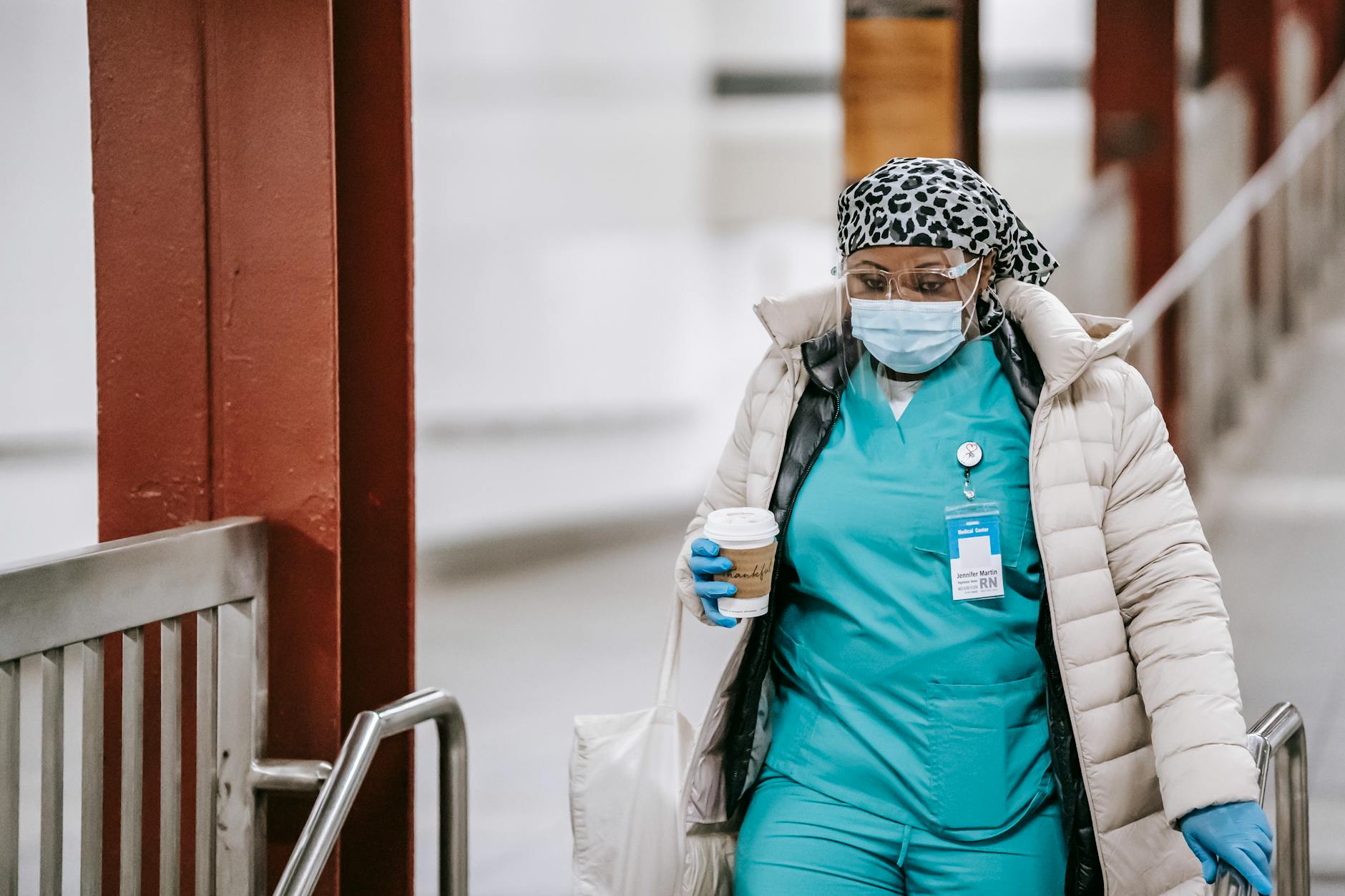 Image: Pexels/Laura James
The flu season’s geographic footprint was national, with no region of the United States spared from significant transmission. The RSV mortality data, drawn from hospitalized patient cohorts, reflects conditions in institutional healthcare settings broadly rather than any specific outbreak zone. The TB finding is geographically anchored to Boston, but the researchers involved have been careful to note that the result likely reflects the capabilities of the test rather than anything uniquely unusual about Boston’s TB burden. Similar surveys in other dense urban centers with immigrant populations — cities like New York, Los Angeles, Chicago, or Houston — might yield comparable or higher detection rates. The United States reports approximately 8,000 to 9,000 active TB cases per year through conventional surveillance, but the Boston data raise the question of whether that figure substantially undercounts exposure and latent infection.
Separately, a phase 3 clinical trial evaluating two TB vaccine candidates — VPM1002 and Immuvac — in India found that neither provided robust protection. The trial enrolled 12,717 household contacts of recently diagnosed TB patients, a high-risk population ideal for detecting vaccine efficacy. Both candidates failed to meet the threshold for meaningful protection. This is a significant setback in the global effort to develop a new TB vaccine to replace the century-old BCG, which provides inconsistent protection against pulmonary TB in adults. For a disease that kills approximately 1.25 million people globally each year, the absence of an effective new vaccine remains one of the most consequential gaps in infectious disease medicine.
Risk Assessment
For most healthy adults in the United States, the immediate risk picture as spring advances is one of receding danger. Flu has peaked and is declining. RSV transmission is also generally seasonal and tends to taper as weather warms. The elevated rotavirus activity bears watching — particularly for parents of young children and staff at childcare facilities — but rotavirus, while highly unpleasant, is rarely life-threatening in well-nourished children with access to healthcare and oral rehydration.
The RSV mortality data demand a recalibration of risk assessment for older adults, however. Adults over 60 with underlying cardiopulmonary or immune conditions who have not yet received an RSV vaccine should discuss that option with a provider before next fall, given a 90-day post-hospitalization mortality rate of nearly one in five. This is not a marginal risk. For comparison, hospitalization fatality rates for seasonal influenza in older adults typically run in the 5–8% range; the RSV figures reported here are considerably higher.
The TB detection finding is harder to translate into individual risk guidance, precisely because the clinical meaning of detecting TB DNA is not the same as diagnosing active TB disease. Public health authorities have not issued new guidance based on this study alone. What the finding does suggest, for epidemiologists and hospital infection control practitioners, is that the true burden of TB exposure in urban US populations may warrant reassessment using newer diagnostic technologies.
Prevention & Response
The prevention landscape in the United States is complicated by a period of significant institutional turbulence. The CDC saw a new director nominated this week, and CIDRAP reports that the agency has simultaneously issued a new charter for the Advisory Committee on Immunization Practices (ACIP), the expert body that formulates vaccine recommendations for Americans. Several states are reportedly diverging from federal vaccine guidance, carving out independent positions on immunization schedules and requirements.
Public opinion data compound the concern. A survey highlighted by CIDRAP found that vaccine skepticism has become statistically normative among many Americans, with age a key variable: younger cohorts are significantly more likely to question the individual obligation to vaccinate for the protection of others — the herd immunity argument — than older Americans who lived through the pre-vaccine era of polio, measles, and rubella. A separate poll found that while support for the Make America Healthy Again movement’s general wellness messaging is broad, that support is described as “highly vulnerable” — meaning it does not necessarily translate into support for specific policy positions like reducing vaccine mandates or withdrawing federal immunization programs.
Against this backdrop, new research published on the 20th anniversary of the first HPV vaccine approvals continues to document benefits of that immunization extending well beyond cervical cancer prevention — findings that underscore what sustained, high-coverage vaccine programs can achieve when institutional trust is intact. The TB vaccine setback in India, meanwhile, illustrates how difficult it remains to develop new tools against pathogens for which decades of research have not yet yielded transformative solutions.
For clinicians preparing for the 2026–27 respiratory season, the practical priorities remain consistent: encourage RSV vaccination in older adults, maintain influenza vaccination infrastructure despite the policy headwinds, and stay alert to emerging TB surveillance data as the ultrasensitive testing methodology finds its way into more institutions. For public health institutions, the more structural challenge — rebuilding the vaccine confidence that will be needed when a genuinely severe pandemic threat arrives — is one that surveillance data alone cannot solve.
Sources
- CIDRAP (Center for Infectious Disease Research and Policy, University of Minnesota) — Influenza season summary, RSV mortality study, TB ultrasensitive testing, TB vaccine trial results, US vaccine policy updates, and vaccine skepticism polling coverage. All articles published April 7–17, 2026.
Sources
- CIDRAP – CDC reports 4 flu deaths in kids as flu activity ebbs ↗
- CIDRAP – RSV tied to high complication, death rates in hospitalized older adults ↗
- CIDRAP – Ultrasensitive test detects tuberculosis DNA in unexpected number of US patients ↗
- CIDRAP – TB vaccine candidates offer limited protection in phase 3 trial ↗
- CIDRAP – The State of US Vaccine Policy, Apr 16 2026 ↗
- CIDRAP – Vaccine skepticism now the norm for many Americans ↗