Measles Surges Globally as Bangladesh and US Report Major Outbreaks
Bangladesh reports 19,000+ measles cases and 166 deaths across 58 districts, while the US nears 1,800 total cases amid a politically charged response.
Overview
Measles — a vaccine-preventable disease once thought to be on the path to global elimination — is staging a troubling resurgence across two very different settings in 2026. In South Asia, Bangladesh is grappling with one of its most severe measles outbreaks in recent memory, with tens of thousands of suspected cases spreading rapidly through communities where vaccination coverage has faltered. Half a world away, the United States has recorded nearly 1,800 confirmed cases this year, a figure that reflects the consequences of years of declining immunization confidence in certain communities. Though the two outbreaks have different epidemiological drivers, they share a common thread: gaps in vaccine coverage that measles — one of the most contagious pathogens known — is ruthlessly exploiting.
Current Situation
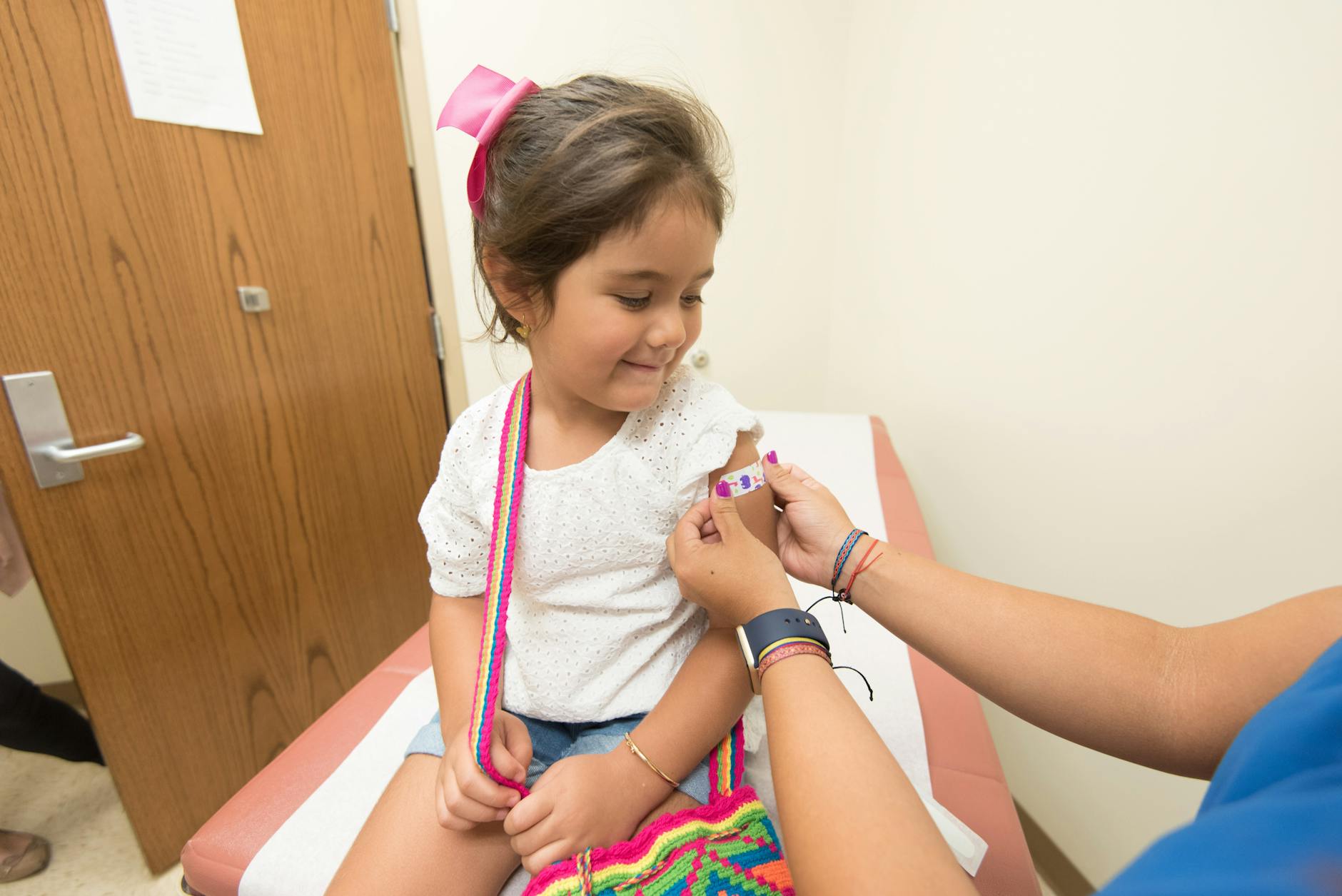
 Image: Pexels/Nataliya Vaitkevich
The scale of Bangladesh’s outbreak is stark. According to a WHO Disease Outbreak News report published on April 23, 2026, national health authorities notified the organization of a sharp nationwide increase in measles cases beginning in mid-March. Between March 15 and April 14, Bangladesh recorded 19,161 suspected measles cases and 2,897 laboratory-confirmed cases. More concerning still, the outbreak has claimed 166 lives, yielding a case fatality rate of 0.9% — a figure that, while consistent with measles mortality in low-resource settings with limited healthcare access, underscores the preventable nature of these deaths.
The age distribution is particularly alarming: 79% of reported cases are children under the age of five, the cohort most vulnerable to measles’ severe complications, including pneumonia, encephalitis, and malnutrition-related sequelae. These figures likely represent an undercount, as laboratory-confirmed cases make up a fraction of suspected cases, and surveillance capacity in outbreak settings is always strained.
In the United States, the picture is improving but remains historically elevated. CIDRAP reported on April 27 that South Carolina’s outbreak — at 997 confirmed cases, the largest single-state outbreak the US has seen in 35 years — has officially been declared over. Total US cases for 2026 now approach 1,800, a figure that would have been nearly unthinkable a decade ago for a country with longstanding endemic measles elimination status. There are, however, signs of deceleration: CIDRAP noted in mid-April that a weekly case increase of just 34 new infections represented the smallest weekly increment recorded so far this year.
A notable methodological development emerged from Cook County, Illinois, where public health researchers reported the detection of a single measles infection through untargeted ultra-deep metagenomic sequencing of wastewater. While the case count is minimal, the technique itself carries significant implications — it demonstrates that environmental surveillance may serve as an early warning system for measles circulation in communities before clinical cases are identified or reported.
Affected Regions
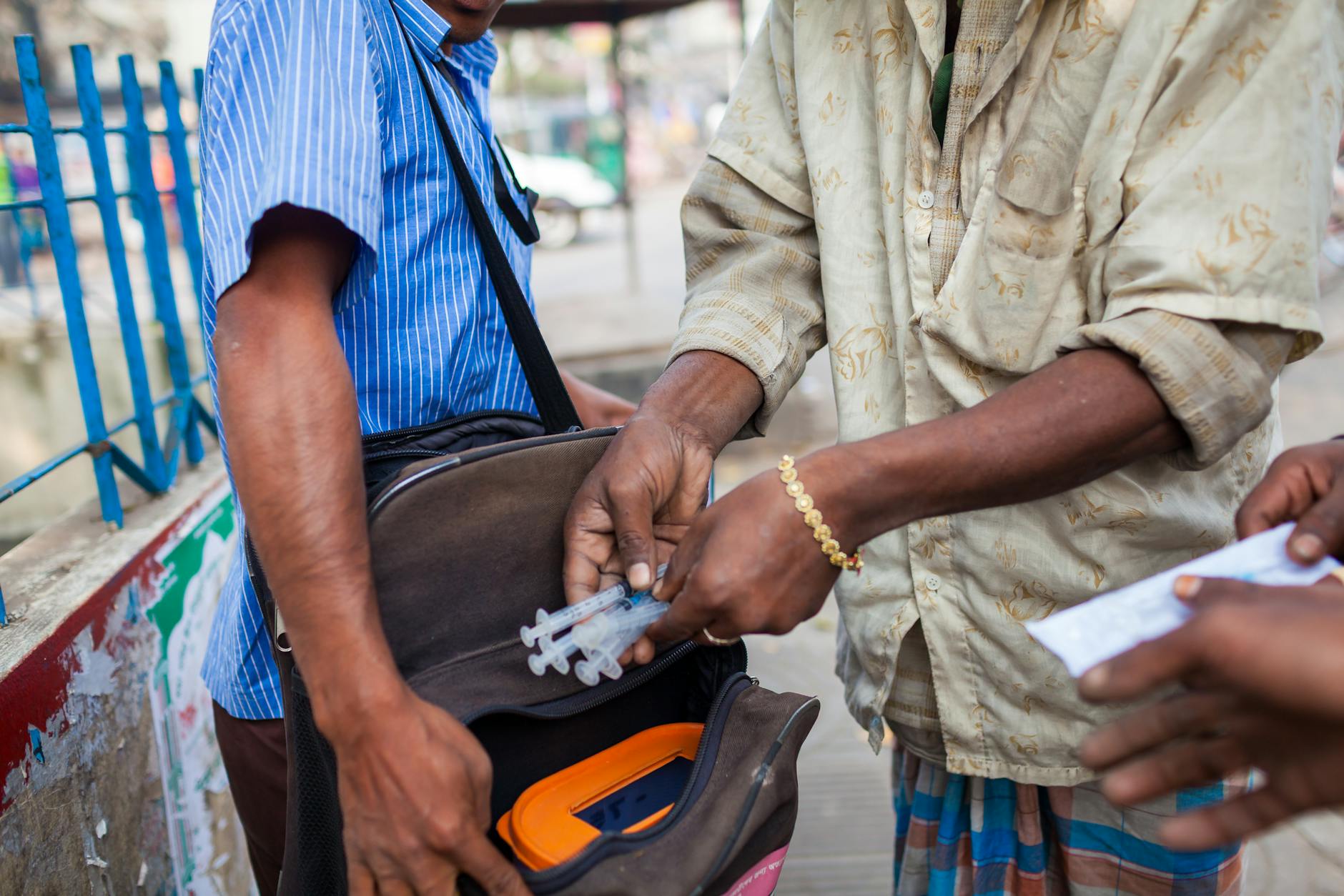 Image: Pexels/Ian Taylor
Bangladesh’s outbreak has achieved near-nationwide geographic reach with remarkable speed. According to WHO, cases have been confirmed in 58 out of 64 districts, spanning all eight administrative divisions of the country. This breadth suggests that the conditions enabling transmission — insufficient herd immunity, population density, and circulation pathways — are not confined to any single region but reflect systemic gaps in routine immunization infrastructure.
The United States outbreak has been more geographically concentrated, with South Carolina serving as the single largest hotspot. However, the detection of environmental measles signal in Cook County, Illinois, indicates that the virus has not been confined to a single cluster. With national case counts still elevated, ongoing transmission in multiple communities remains a concern, even as the overall trend lines suggest the acute phase of this year’s epidemic may be moderating.
The European Centre for Disease Prevention and Control (ECDC) included measles in its Week 16 Communicable Disease Threats Report covering the period of April 12–18, 2026, signaling continued vigilance across the EU/EEA, where imported cases and pockets of under-vaccination have historically provided opportunities for sustained transmission.
Risk Assessment
The Bangladesh outbreak demonstrates that measles remains capable of producing mass casualty events among unvaccinated or under-vaccinated child populations — 166 deaths in a single month is not a statistical abstraction but a preventable toll.WHO’s assessment of the Bangladesh situation, based on available information as of late April, points to ongoing risk as long as vaccination coverage remains below the threshold needed for herd immunity — generally understood to require at least 95% of the population to have received two doses of measles-containing vaccine. In densely populated, lower-income settings, achieving and sustaining that threshold is complicated by healthcare access barriers, supply chain constraints, and public health system capacity.
For the United States, the epidemiological calculus is different but no less instructive. The country maintains generally high aggregate vaccination rates, but cluster-level immunity gaps — particularly in communities with strong vaccine hesitancy — create conditions under which a single imported case can trigger a large, sustained outbreak. The South Carolina outbreak’s scale of nearly 1,000 cases is a direct consequence of this dynamic.
Measles is among the most contagious infectious diseases, with a basic reproduction number (R₀) estimated between 12 and 18 in unvaccinated populations. A single infectious individual can expose dozens of susceptible contacts in a shared indoor space. Children under five and immunocompromised individuals of any age face the highest risk of severe disease and death. Vitamin A deficiency, common in lower-income settings, further worsens outcomes.
Prevention & Response
Bangladesh’s public health response has moved on multiple fronts. A targeted measles-rubella (MR) vaccination campaign was launched on April 5, 2026 — just weeks into the outbreak’s documented surge — alongside efforts to strengthen nationwide surveillance and improve epidemiological analysis for more accurate case detection and reporting. Rapid vaccination campaigns are the most effective tool available for interrupting ongoing measles transmission, though their impact depends heavily on speed of deployment and geographic coverage.
In the United States, the outbreak’s trajectory intersected with a politically contentious moment in public health governance. Robert F. Kennedy Jr., serving as Secretary of Health and Human Services, faced congressional hearings in mid-to-late April in which he denied personal responsibility for the measles crisis and reiterated a claim that he has never opposed vaccination. The hearings also addressed the administration’s nomination of Erica Schwartz to lead the CDC, with assurances offered that she would operate independently. Critics have pointed to the administration’s earlier messaging — which questioned vaccine safety and efficacy — as having contributed to the erosion of immunization confidence in affected communities.
The wastewater surveillance project in Cook County represents a forward-looking addition to the response toolkit. If validated and scaled, metagenomic environmental monitoring could allow health authorities to detect measles circulation days or weeks before clinical cases appear in hospitals or physician offices, enabling faster, more targeted interventions.
WHO has also highlighted the broader global dividend of measles vaccination, noting in mid-April that vaccination efforts in Africa have saved millions of lives — a reminder that the collective gains from decades of immunization programs are not permanent and must be actively defended through sustained coverage and political will.
Sources
- WHO Disease Outbreak News – Measles, Bangladesh (DON598), April 23, 2026: https://www.who.int/emergencies/disease-outbreak-news/2026-DON598
- ECDC Communicable Disease Threats Report, Week 16, April 17, 2026: https://www.ecdc.europa.eu/en/publications-data/communicable-disease-threats-report-12-18-april-2026-week-16
- CIDRAP – South Carolina measles outbreak ends as US cases near 1,800, April 27, 2026: https://www.cidrap.umn.edu/measles/south-carolina-measles-outbreak-ends-us-cases-near-1800
- CIDRAP – US measles outbreak shows signs of slowing, April 17, 2026: https://www.cidrap.umn.edu/measles/us-measles-outbreak-shows-signs-slowing-who-notes-millions-lives-saved-africa-vaccination
- CIDRAP – Measles detected via wastewater surveillance in Cook County, Illinois, April 30, 2026: https://www.cidrap.umn.edu/measles/public-health-alerts-detection-single-measles-infection-using-untargeted-ultra-deep
- CIDRAP – RFK Jr claims no responsibility for measles spread, April 22, 2026: https://www.cidrap.umn.edu/measles/hearings-rfk-jr-claims-no-responsibility-measles-spread
Sources
- WHO Disease Outbreak News – Measles, Bangladesh (DON598) ↗
- ECDC Communicable Disease Threats Report, Week 16 ↗
- CIDRAP – South Carolina measles outbreak ends as US cases near 1,800 ↗
- CIDRAP – US measles outbreak shows signs of slowing ↗
- CIDRAP – Measles detected via wastewater surveillance in Cook County, Illinois ↗
- CIDRAP – RFK Jr claims no responsibility for measles spread ↗