Measles and Meningitis Strike Chad as Sudan Conflict Drives Displacement
Eastern Chad faces simultaneous measles and meningitis C outbreaks amid mass displacement from Sudan, compounding an already fragile health system.
Overview
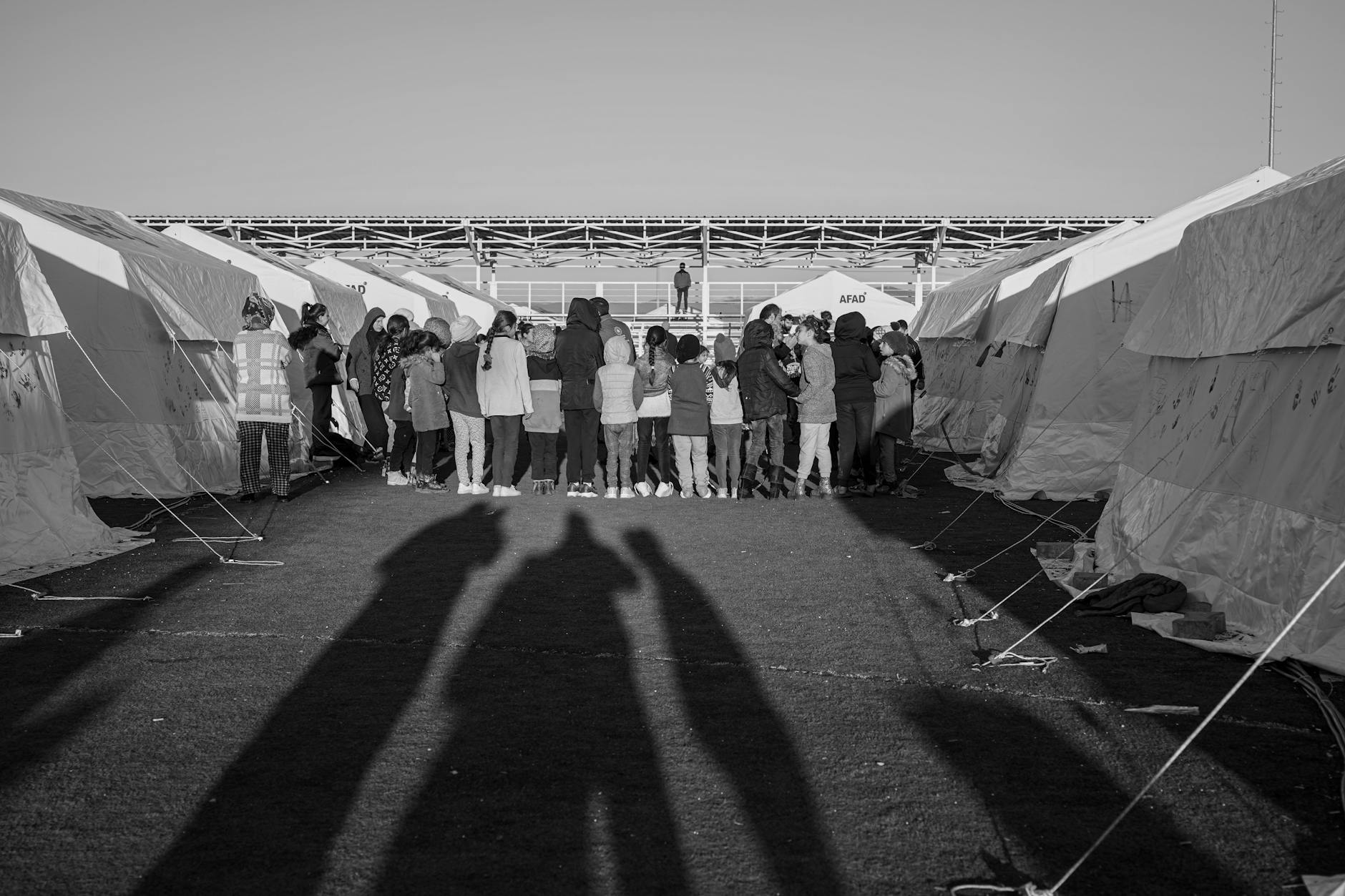
Eastern Chad is simultaneously managing two serious vaccine-preventable disease outbreaks — measles and meningitis C — at a moment when the region’s already fragile health infrastructure is absorbing one of the largest displacement crises in the world. The outbreaks are occurring in the same geographic corridor where hundreds of thousands of people fleeing the civil conflict in Sudan have settled since fighting escalated in 2023. The convergence of mass population movement, disrupted immunization services, and overcrowded living conditions has created conditions epidemiologists regard as textbook drivers of multi-pathogen outbreak events.
Both measles and bacterial meningitis are entirely preventable through vaccination, which makes this situation a stark reminder of how conflict-driven displacement erodes decades of public health progress. In a region where cold-chain logistics are already difficult, maintaining adequate vaccine coverage in rapidly expanding informal settlements represents an extraordinary operational challenge for response teams.
Current Situation
 Image: Pexels/Alex Koch
Reporting from CIDRAP (Center for Infectious Disease Research and Policy) dated late April 2026 confirms active transmission of both measles and meningitis C in eastern Chad. Detailed case counts and death tolls had not been fully tabulated in public-facing reports at the time of publication, a common feature of outbreak surveillance in displacement settings where health workers are stretched thin and data collection pipelines are interrupted.
What is confirmed is that both outbreaks are actively circulating in populations that are among the most epidemiologically vulnerable anywhere on earth: children under five who may have missed routine immunizations due to conflict, adults who crossed into Chad from areas of Sudan where health services collapsed entirely, and pregnant women whose nutritional status increases susceptibility to severe measles complications.
Meningitis C, caused by Neisseria meningitidis serogroup C, carries a case fatality rate of 10–15% even with treatment in well-resourced settings; in displacement contexts with limited access to intravenous antibiotics and intensive care, that figure can climb considerably higher. Measles, while often perceived as a mild childhood illness in high-income contexts, kills roughly 1 in 1,000 infected children globally and at significantly higher rates in malnourished populations — a near-universal condition in prolonged displacement.
Affected Regions
Eastern Chad — particularly the provinces of Ouaddaï, Wadi Fira, and Sila — has been the primary receiving zone for Sudanese displacement since the outbreak of the Sudan conflict in April 2023. Chad already hosted one of the world’s largest refugee populations before the Sudan crisis intensified, with long-standing camps such as those near the towns of Adré and Farchana now severely overcrowded.
The geographic overlap between the measles and meningitis outbreaks and the refugee reception corridor is not coincidental. Measles spreads with exceptional efficiency in dense, unvaccinated populations — it has a basic reproduction number (R₀) of 12–18, making it one of the most transmissible pathogens known to medicine. Meningitis C, spread through respiratory droplets, similarly thrives in overcrowded sleeping and communal eating arrangements typical of emergency camps.
Chad sits within the African “Meningitis Belt,” a band of sub-Saharan countries stretching from Senegal to Ethiopia where seasonal meningococcal outbreaks occur regularly between December and June due to hot, dry Harmattan winds that dry out mucosal membranes and facilitate bacterial invasion. The current outbreak aligns with peak seasonal transmission timing, adding an additional layer of urgency to the response.
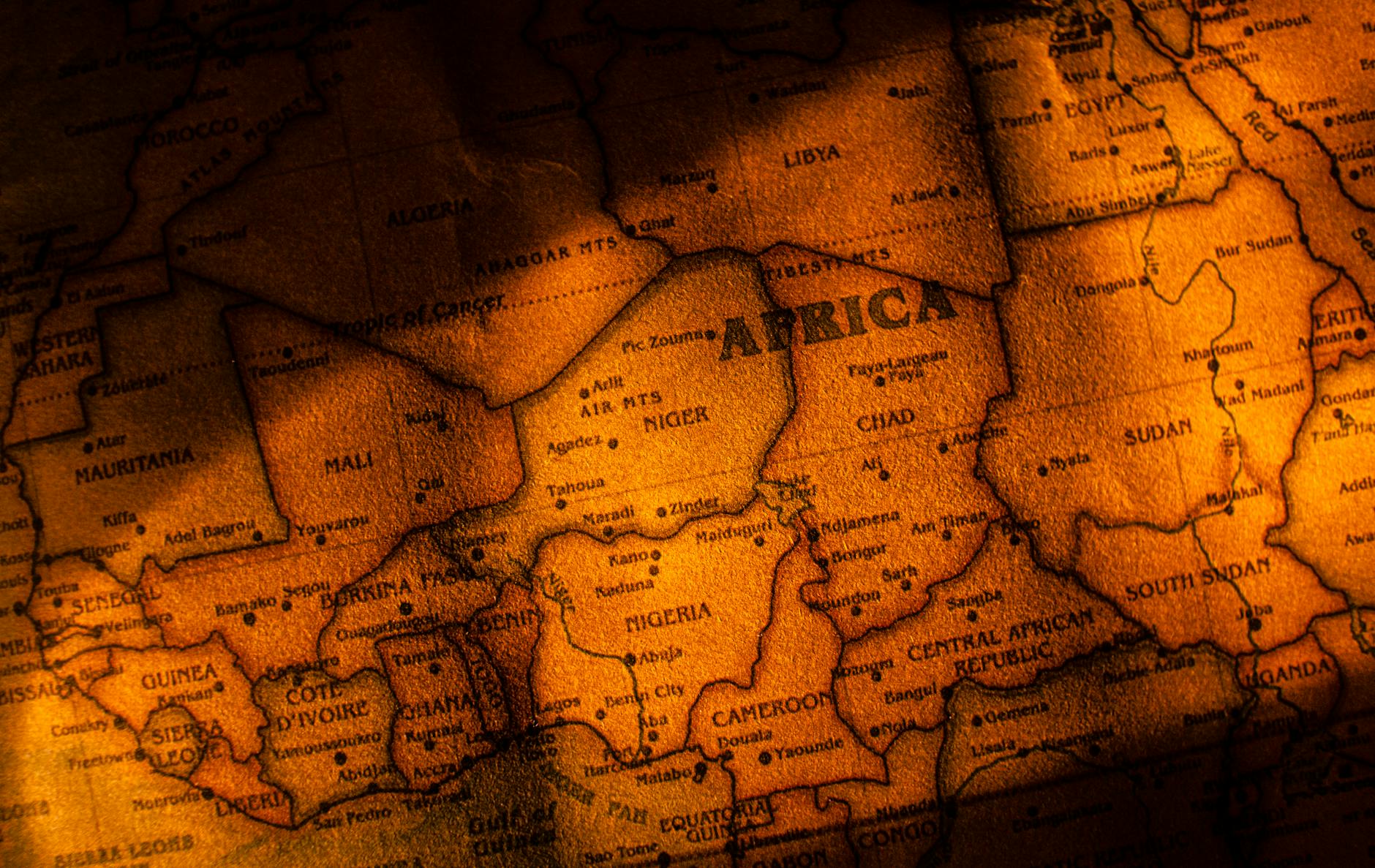 Image: Pexels/Nothing Ahead
Risk Assessment
The risk to the affected population in eastern Chad is assessed as high, based on the combination of factors present. Vaccination coverage for measles in Chad was already below the 95% threshold required for herd immunity prior to the current displacement crisis. Coverage surveys in refugee settings frequently show rates well below national averages, as families in flight cannot carry vaccination records and health workers cannot verify immunization histories.
For meningitis C specifically, the Men ACWY conjugate vaccine provides protection against the circulating serogroup but requires functional cold chain storage and trained personnel to administer at scale — both significant logistical constraints in the current operating environment.
The broader regional spillover risk warrants monitoring. Movement between eastern Chad and western Sudan remains ongoing in both directions, and the Lake Chad Basin more broadly — encompassing parts of Niger, Nigeria, and Cameroon — has its own complex displacement dynamics. An outbreak seeded in a high-mobility displacement population can seed secondary clusters across a wide geographic area within weeks.
Beyond Chad’s borders, the same CIDRAP report flags a separate concern: a confirmed case of clade 1b mpox was identified in Denmark in late April 2026. This marks continued international seeding of the more virulent clade 1b strain, which the World Health Organization designated a Public Health Emergency of International Concern (PHEIC) in 2024. The Denmark case is epidemiologically distinct from the Chad outbreaks but underscores the degree to which infectious disease surveillance must maintain global situational awareness simultaneously across multiple pathogens and threat profiles.
In Chad’s displacement camps, the combination of active measles and meningitis C transmission in a nutritionally compromised, under-vaccinated population represents an acute risk of preventable deaths, particularly among children under five.Prevention & Response
Emergency vaccination is the cornerstone of the required response to both outbreaks. For measles, the standard intervention is a rapid mass vaccination campaign using the measles-rubella (MR) vaccine, targeting all children from six months through 15 years regardless of prior vaccination history — a “catch-up” approach designed to quickly close immunity gaps in a population of unknown vaccination status.
For meningitis C, reactive vaccination campaigns using Men ACWY conjugate vaccines are the recommended WHO response once an outbreak is confirmed. Prophylactic antibiotic treatment with ceftriaxone or ciprofloxacin is used for close contacts of confirmed cases to interrupt transmission chains. Early clinical recognition and rapid antibiotic treatment are critical to reducing case fatality — delay of even a few hours between symptom onset and treatment substantially worsens outcomes.
UNICEF, Médecins Sans Frontières (MSF), and WHO’s Regional Office for Africa (AFRO) have established operational presences in eastern Chad’s displacement zones, though funding gaps and access constraints have periodically disrupted supply chains. The International Organization for Migration (IOM) has been involved in health screenings at border crossing points, which provides an important layer of early detection for incoming displaced populations.
Longer-term, the outbreaks reflect a structural problem that acute emergency response cannot fully solve: the systematic collapse of routine immunization infrastructure in Sudan itself, which means that children arriving in Chad have, in many cases, received none of the standard childhood vaccines. Rebuilding that coverage — even partially, through opportunistic vaccination at camps and border points — is essential to preventing recurrence and reducing the size of the susceptible population over time.
For the clade 1b mpox case in Denmark, the response protocol centers on contact tracing, isolation of the confirmed case, and offering JYNNEOS vaccine (the third-generation smallpox/mpox vaccine) to identified close contacts. European health authorities have maintained enhanced surveillance for mpox since the 2022 global outbreak, and the existing infrastructure for case detection and contact notification is considerably more robust than in high-incidence African settings.
Public health agencies monitoring these developments should note that the gonorrhea vaccine candidate also referenced in recent reporting represents a longer-term but potentially significant development in the fight against antimicrobial-resistant infections — a separate but growing global health challenge that sits alongside these acute outbreak events.
Sources
- CIDRAP (Center for Infectious Disease Research and Policy) — “Quick Takes: Measles, meningitis outbreaks in Chad; clade 1b mpox in Denmark; gonorrhea vax candidate,” April 28, 2026. https://www.cidrap.umn.edu/measles/quick-takes-measles-meningitis-outbreaks-chad-clade-1b-mpox-denmark-gonorrhea-vax-candidate
- World Health Organization — Meningococcal meningitis fact sheet and Meningitis Belt guidance
- WHO AFRO — Measles surveillance and outbreak response protocols for the African Region