Long COVID Linked to Six Distinct Symptoms, Mirroring Other Post-Viral Illness
New research identifies six symptoms disproportionately common in long COVID, including pulmonary embolism, brain fog, and fatigue, with links to other post-viral syndromes.

Overview
More than four years after the COVID-19 pandemic began reshaping global health systems, researchers continue to grapple with one of its most persistent and poorly understood legacies: long COVID. A new analysis published in April 2026 and highlighted by the Center for Infectious Disease Research and Policy (CIDRAP) has identified six specific symptoms and medical conditions that occur at significantly elevated rates in people following COVID-19 infection. The findings carry implications not only for the millions still living with post-acute sequelae of SARS-CoV-2 (PASC), but also for how clinicians approach a broader class of post-infectious illnesses that appear to share similar mechanisms.
The six conditions flagged in the research are pulmonary embolism, abnormal breathing patterns, persistent fatigue, hemorrhagic stroke, brain fog (cognitive impairment), and heart palpitations. Their co-occurrence in long COVID patients — and their apparent overlap with symptoms seen after other viral infections — is prompting calls for a more unified clinical framework for post-viral illness.
Current Situation
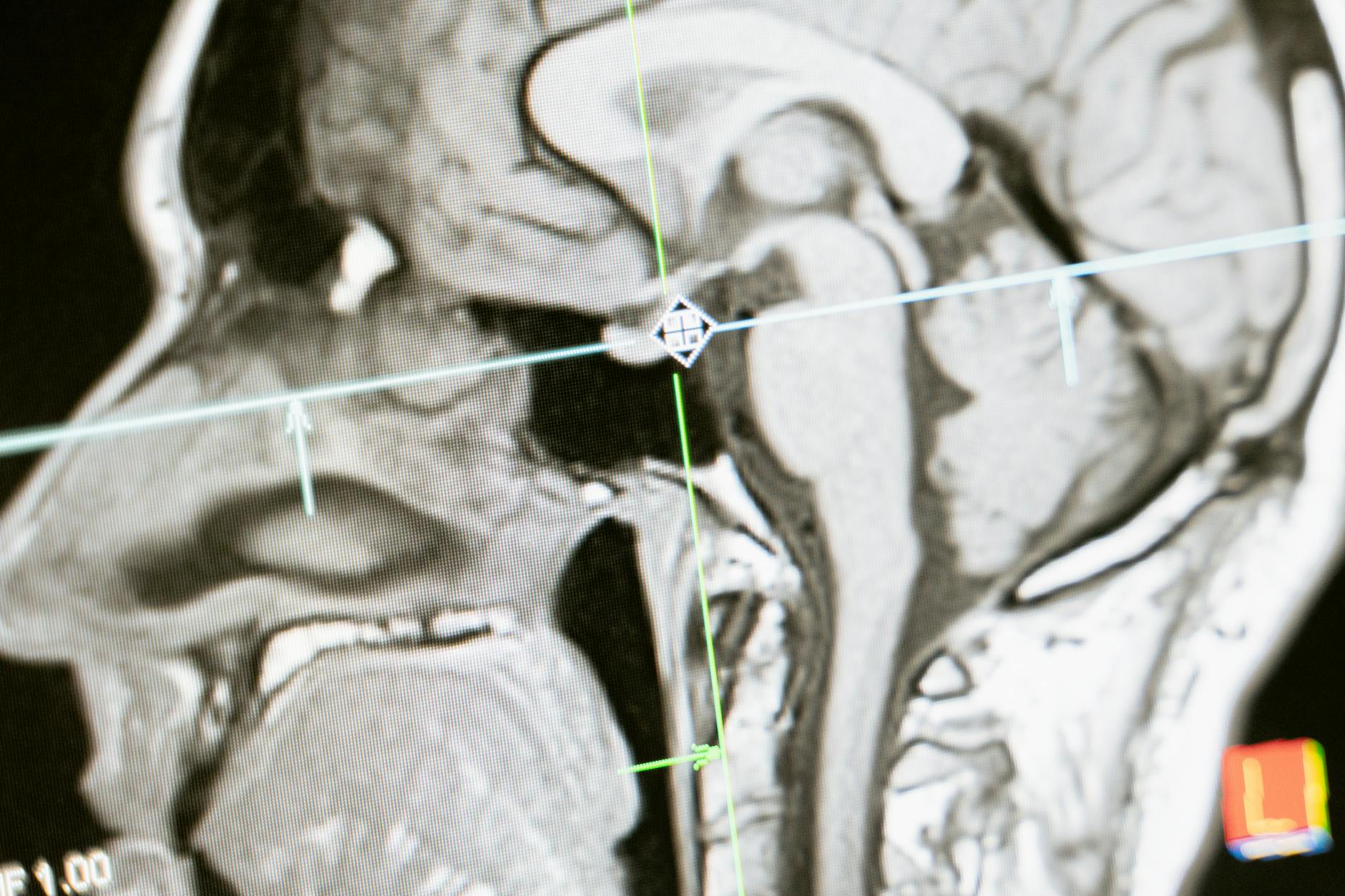 Image: Pexels/MART PRODUCTION
The scale of long COVID as a public health burden remains substantial. The World Health Organization (WHO) has previously estimated that roughly 10 to 20 percent of people infected with SARS-CoV-2 experience symptoms persisting beyond twelve weeks. Given that global confirmed COVID-19 cases have surpassed 770 million since the pandemic began, the potential population living with long-term sequelae numbers in the tens of millions — though precise global prevalence figures remain difficult to establish due to inconsistent case definitions and underreporting.
The newly identified cluster of six symptoms provides researchers with a more refined diagnostic target. Among the conditions, pulmonary embolism — the blockage of arteries in the lungs by blood clots — stands out as particularly serious, given its potential to be life-threatening if undetected. Hemorrhagic stroke, caused by bleeding within the brain, similarly represents a high-acuity finding that distinguishes long COVID from more commonly recognized post-viral fatigue syndromes.
The remaining four symptoms — abnormal breathing, fatigue, brain fog, and palpitations — are more familiar to clinicians who treat long COVID patients, but their systematic documentation in this research adds statistical rigor to what has often been anecdotal clinical observation. Critically, the study notes that these symptoms are not exclusive to COVID-19 survivors; they appear to echo symptom profiles documented after infection with other pathogens, raising the possibility of a shared underlying mechanism.
Affected Regions
Long COVID does not respect geographic boundaries. Cases have been documented across every inhabited continent, with the highest absolute numbers concentrated in countries that experienced the heaviest COVID-19 infection burdens: the United States, United Kingdom, Brazil, India, and nations across the European Union. However, low- and middle-income countries likely face significant undercounting due to limited diagnostic infrastructure and fewer long-term follow-up systems in primary care.
The United Kingdom has been among the most systematic in tracking the condition. The UK Office for National Statistics has conducted ongoing population surveys finding that hundreds of thousands of Britons report activity-limiting long COVID symptoms at any given time, though prevalence has declined from pandemic-era peaks as population immunity has built up. In the United States, survey data from the Centers for Disease Control and Prevention (CDC) has found that approximately 6 percent of adults who had COVID-19 reported current long COVID symptoms as of recent estimates — a figure that translates to millions of individuals.
The newly documented symptom cluster is likely distributed across these same geographies, though the study’s implications are global in scope. Regions with aging populations or higher baseline rates of cardiovascular and pulmonary disease may face compounded risk when long COVID interacts with existing comorbidities.
Risk Assessment
 Image: Pexels/RDNE Stock project
The research underscores a risk stratification challenge that has complicated long COVID management since its earliest recognition: the condition presents along a wide severity spectrum, from mild cognitive difficulties and occasional breathlessness to debilitating fatigue and life-threatening cardiovascular events. This heterogeneity makes population-level risk assessment difficult and places pressure on healthcare systems to individualize care pathways.
Several factors are understood to increase susceptibility to long COVID, based on accumulated research. These include female sex, older age, higher body mass index, pre-existing autoimmune conditions, and — notably — the severity of the acute COVID-19 illness, though long COVID can and does develop even after mild or asymptomatic infection. Vaccination has been associated in multiple studies with a reduced — though not eliminated — risk of developing long COVID, adding further weight to the public health case for sustained COVID-19 immunization programs.
The suggestion of overlap between long COVID and other post-viral illnesses is scientifically significant. Conditions such as myalgic encephalomyelitis/chronic fatigue syndrome (ME/CFS), which predates COVID-19 and has been observed following Epstein-Barr virus, enterovirus, and other infections, shares substantial symptomatic overlap with the six-symptom cluster now better characterized in long COVID. If a common biological pathway can be identified — whether involving viral persistence, immune dysregulation, microbiome disruption, or autonomic nervous system dysfunction — it could open avenues for treatments that benefit patients across multiple post-infectious conditions simultaneously.
Prevention & Response
The therapeutic landscape for long COVID remains limited, though clinical research is accelerating. The National Institutes of Health (NIH) in the United States launched the RECOVER (Researching COVID to Enhance Recovery) initiative, a large-scale effort to understand, prevent, and treat long COVID through clinical trials and patient cohort studies. Early trial results from RECOVER and affiliated research groups are beginning to filter through, testing interventions ranging from antiviral agents and immunomodulators to behavioral and rehabilitative approaches.
In parallel, the WHO has called on member states to integrate long COVID into national health strategies, including dedicated clinical pathways, rehabilitation services, and occupational health accommodations for those unable to return to work. Many countries, particularly in Europe and North America, have established dedicated long COVID clinics, though access remains uneven and wait times in some regions stretch to months.
The identification of a clearer symptom signature — particularly the inclusion of pulmonary embolism and hemorrhagic stroke — has practical clinical implications. It provides grounds for more proactive screening in COVID-19 survivors who present with even vague or nonspecific complaints. Early detection of clotting disorders or vascular events in this population could meaningfully reduce morbidity and mortality.
For the broader public, the primary available prevention tool remains avoiding COVID-19 infection where possible, or mitigating its severity through up-to-date vaccination. While no vaccine offers complete protection against long COVID, the evidence consistently suggests that vaccinated individuals who do develop the condition tend to experience less severe and shorter-duration symptoms than unvaccinated counterparts.
Healthcare providers are encouraged to take a thorough post-COVID history from patients presenting with any of the six flagged conditions, even if the initial infection occurred months or years prior. The latency between acute infection and the onset of some long COVID manifestations can obscure the connection in clinical settings not attuned to the syndrome’s presentation.
The emerging picture of long COVID as one expression of a broader category of post-viral illness is reshaping how the medical community thinks about infectious disease sequelae altogether. COVID-19, for all its devastation, may ultimately provide the research momentum needed to address a class of conditions — including ME/CFS and post-Lyme syndrome — that have historically been underresearched and underfunded. In that sense, the science developing around long COVID’s signature symptoms may carry benefits well beyond the pandemic itself.
Sources
- CIDRAP (Center for Infectious Disease Research and Policy) — “Six symptoms/conditions more common in long COVID, suggesting overlap with other post-viral infections,” April 16, 2026. https://www.cidrap.umn.edu/covid-19/six-symptomsconditions-more-common-long-covid-suggesting-overlap-other-post-viral