Europe Races to Rearm as US Commitment to NATO Wavers
As Washington signals possible NATO withdrawal, European allies scramble to build independent defense capacity. What it means for transatlantic security.
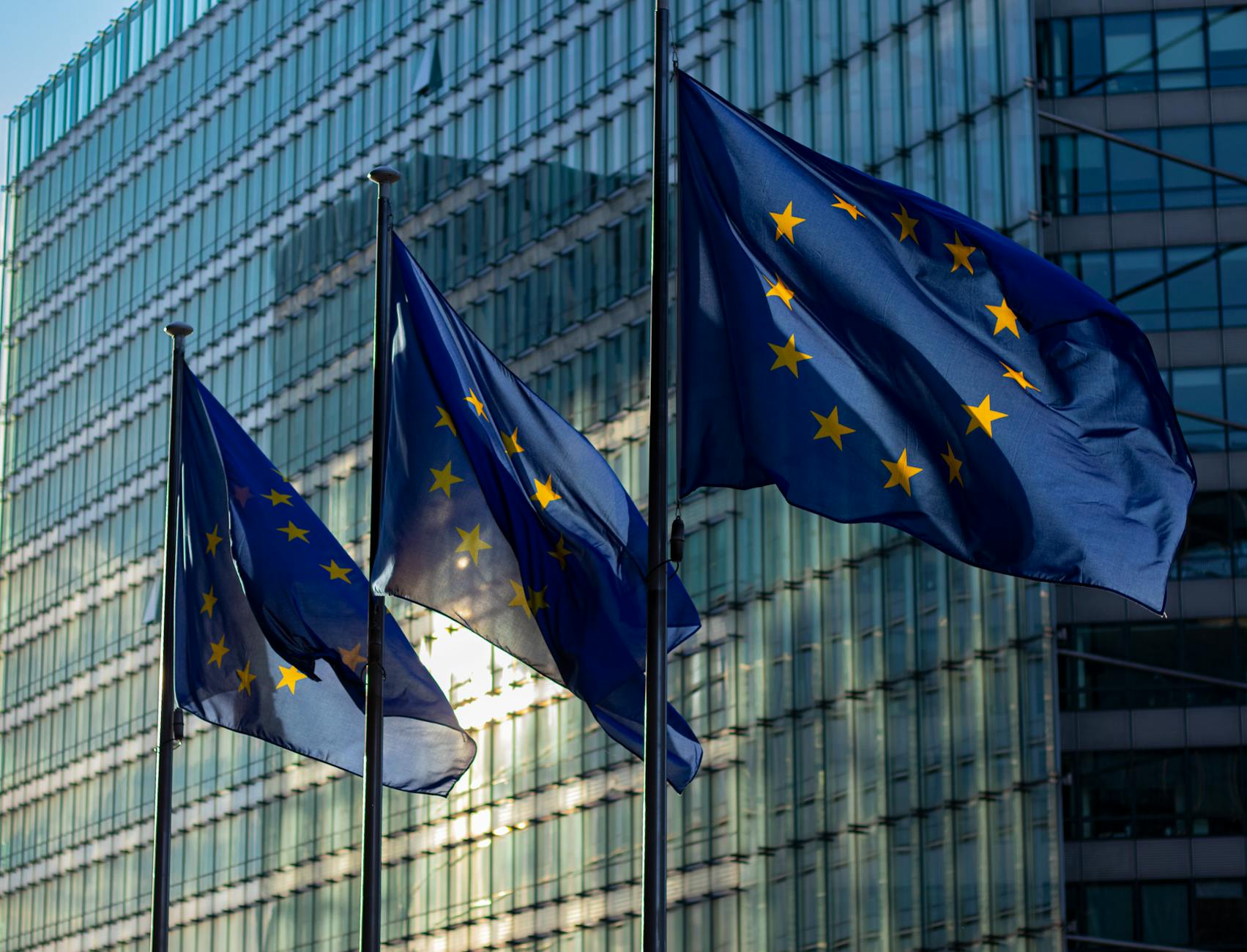
The alliance that kept the peace in Europe for three-quarters of a century is facing its most serious existential test — not from Russian missiles, but from Washington’s own political drift.
Across European capitals this week, defense ministers and heads of government are gaming out scenarios that would have been unthinkable a decade ago: what does European security look like without the United States? According to War Monitor, the question is no longer theoretical. The US is actively preparing ground for a potential withdrawal from NATO, and European governments are scrambling to figure out what comes next.
What Happened
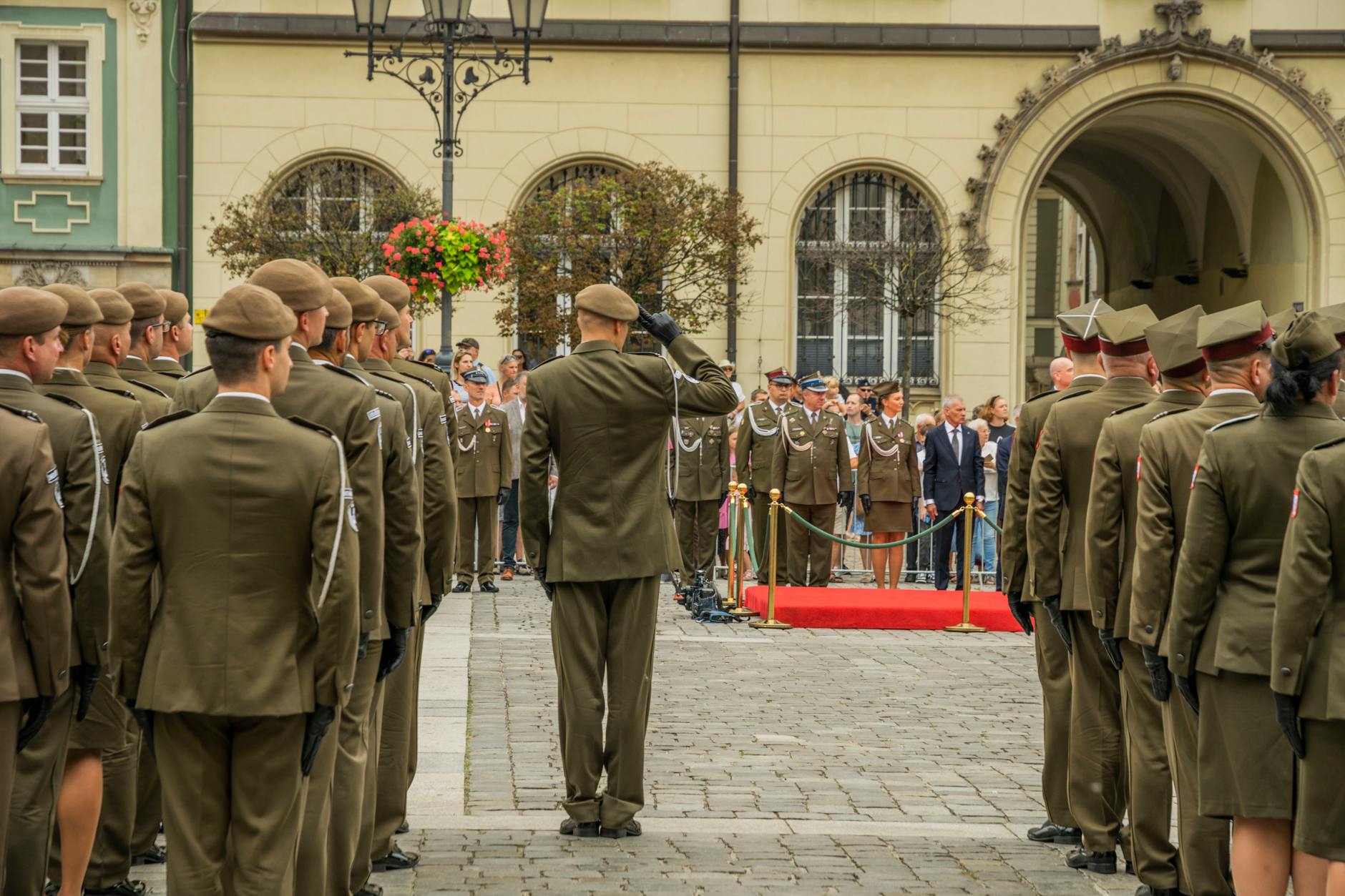 Image: Pexels/SHOX ART
The signals from Washington have been accumulating for months, but this week they hardened into something that European officials are treating as a genuine policy direction rather than negotiating bluster. According to reporting tracked by War Monitor and corroborated by Reuters and Politico Europe, the US administration has been conducting internal reviews of its NATO commitments, raising questions about whether Article 5 — the collective defense clause that treats an attack on one member as an attack on all — would still function as an automatic trigger for American military involvement.
The precise mechanism of any withdrawal remains unclear. A formal exit from the treaty would require Congressional action and faces significant legal and political obstacles. But analysts note that functional withdrawal — refusing to honor Article 5 commitments, pulling back forward-deployed forces, or simply declining to engage in NATO planning and exercises — could achieve much the same effect without the legal drama. The distinction between formal and functional withdrawal is increasingly academic for the defense planners in Warsaw, Tallinn, and Berlin who need to make procurement decisions today.
European leaders have responded with a mixture of urgency and studied calm. The European Union has accelerated discussions around a common defense framework, and several member states have announced emergency increases to defense budgets that go beyond the long-standing NATO target of two percent of GDP. Germany, historically cautious about military expansion given its twentieth-century history, is now openly debating whether three or even four percent is the appropriate benchmark for an era of genuine strategic uncertainty.
Why It Matters
 Image: Pexels/Sz Katarzyna
Here is the brutal arithmetic of European defense: right now, the continent relies on American assets for capabilities it simply does not possess at scale. Satellite intelligence. Long-range precision strike. Nuclear deterrence. Logistical lift across the Atlantic and within theater. These are not gaps that can be filled in a budget cycle or two — they represent decades of underinvestment predicated on the assumption that Washington would always be there.
If the US exits NATO, Europe faces a deterrence vacuum at the worst possible moment — with Russia’s military still mobilized and battle-hardened from years of war in Ukraine.The timing matters enormously. Russia has spent the past several years rebuilding and restructuring its armed forces under combat conditions. Whatever losses it has absorbed in Ukraine, it has also gained experience, identified weaknesses, and adapted. European militaries, by contrast, have spent those same years managing the tension between urgency and the institutional inertia of peacetime procurement. The window for a comfortable, managed transition away from American security guarantees may already have closed.
For the Baltic states — Estonia, Latvia, and Lithuania — the stakes are existential in the most literal sense. These small nations share borders with Russia and Belarus and have populations that remember Soviet occupation. Their entire security posture rests on the credibility of NATO’s collective defense pledge. If that pledge becomes conditional or uncertain, they face choices that no democratic government wants to put to its citizens.
Beyond the military dimension, there is an economic and political one. The uncertainty itself is destabilizing. Defense procurement requires long planning horizons. Alliances require trust built over years. And the signal that American commitments are negotiable — that they can be withdrawn based on the electoral fortunes of a single administration — will reverberate through every security arrangement the US maintains, from the Pacific to the Middle East.
The Bigger Picture
What we are watching, according to analysts at institutions including the Financial Times and major European think tanks, is the possible end of the post-war order that the United States itself designed and underwrote. The NATO alliance was never just a military arrangement — it was the institutional expression of a bet that American and European interests were fundamentally aligned, and that a stable, democratic Europe was worth paying for.
That bet has been questioned on both sides of the Atlantic. European critics have long argued that American leadership came with American preferences, and that true strategic autonomy required building independent capacity. American critics — particularly on the populist right — have argued that European free-riding on American security guarantees was both expensive and strategically distorting. Both critiques contain real substance. What neither camp fully anticipated was that the renegotiation would happen this abruptly, under these conditions, with this little preparation.
There is a school of thought that argues European alarm is overblown — that the US Congress, the military establishment, and the foreign policy bureaucracy all retain strong pro-NATO inclinations, and that any administration would face enormous institutional resistance to a genuine withdrawal. This view holds that what looks like policy is actually posture: pressure tactics designed to extract greater burden-sharing rather than genuine disengagement. According to BBC analysis, several senior NATO officials have privately expressed this interpretation.
The problem with that reassuring read is that even if it is correct, the uncertainty it creates is itself damaging. Defense planning cannot wait for political situations to resolve. Investments must be made or not made. Deployments must be configured or not configured. And adversaries — particularly in Moscow — will draw their own conclusions from the spectacle of the alliance’s leading power openly questioning its own commitments.
What to Watch
The next six months will be revealing. Several specific indicators are worth tracking closely.
NATO’s June summit is now being treated as a potential inflection point. Whether the US sends senior representation, what commitments it makes or withholds, and how other member states respond will tell us a great deal about whether the alliance is managing a transition or experiencing a rupture.
Watch German defense spending and legislation. Germany is the largest European economy and its choices will define the ceiling of what European strategic autonomy can realistically achieve. If Berlin moves decisively — committing funds, restructuring its military, and embracing a leadership role it has historically avoided — it signals that Europe is serious about self-reliance. Hesitation would mean the opposite.
Track bilateral security agreements between European states and between Europe and the UK. Post-Brexit Britain retains significant military capacity and nuclear status. If London begins signing mutual defense pacts with continental partners outside the NATO framework, that is a sign that serious contingency planning is underway.
Finally, watch Moscow’s signaling. Russian official statements and military posture will reflect their assessment of whether American disengagement is real or performative. Aggressive rhetoric, unusual exercises near NATO borders, or stepped-up hybrid operations in Baltic states would suggest that the Kremlin believes the window is opening.
The Atlantic alliance is not dead. But for the first time in a generation, serious people in serious capitals are stress-testing what it would mean if it were. That conversation, once started, is very hard to stop.
Sources: War Monitor, Reuters, BBC, Politico Europe, Financial Times