Cholera, Chikungunya, and Influenza Dominate Europe's Threat Watch
ECDC's April 2026 surveillance reports highlight persistent cholera spread, chikungunya resurgence, and ongoing influenza activity across EU/EEA.

Overview
Europe’s public health sentinel, the European Centre for Disease Prevention and Control (ECDC), has flagged a convergence of infectious disease threats in its most recent Communicable Disease Threats Reports (CDTRs) — covering periods in late March through late April 2026. Three pathogens stand out as ongoing concerns: cholera, which continues to circulate across multiple continents with no sign of the global surge abating; chikungunya virus disease, which is extending its geographic footprint as vector mosquito populations expand into new climatic zones; and seasonal influenza, which has defied the typical late-winter retreat and continues to generate respiratory illness across the EU and European Economic Area (EEA).
Taken together, the ECDC’s weekly threat assessments paint a picture of a disease landscape under sustained pressure — not from a single dramatic crisis, but from a cluster of overlapping outbreaks that individually strain health systems and collectively test the capacity of international surveillance networks.
Current Situation
 Image: Pexels/Hafidzajusaf
The ECDC’s Week 18 CDTR (covering 25–30 April 2026) identifies cholera as one of the primary monitored threats for the period, continuing a pattern of consistent inclusion that stretches back through the Week 14 CDTR (28 March–3 April 2026) and beyond. This persistence is itself epidemiologically significant: cholera has now remained on the ECDC’s active watch list continuously for well over a year, reflecting the protracted nature of the current global seventh pandemic wave of Vibrio cholerae O1 El Tor.
Chikungunya also features prominently in the Week 18 report — an inclusion that aligns with the Northern Hemisphere’s approach to warm-season conditions, when Aedes albopictus and Aedes aegypti mosquito populations become more active. While the ECDC does not release granular case counts within its weekly summary abstracts, the agency’s ongoing inclusion of chikungunya signals that imported and locally-acquired cases are occurring at a rate warranting formal surveillance attention.
On the respiratory virus front, the Week 18 report includes a dedicated overview of respiratory virus epidemiology across the EU/EEA. Influenza, which dominated headlines during the Northern Hemisphere’s winter season, remains in circulation. The Week 14 report from early April also flagged influenza activity, suggesting that transmission has been more prolonged than in typical seasons. Additionally, MERS-CoV (Middle East respiratory syndrome coronavirus) and updated SARS-CoV-2 variant classifications featured in the Week 14 assessment — a reminder that coronavirus-family pathogens remain part of the active surveillance portfolio even as they recede from daily news cycles.
Affected Regions
The geographic scope of these threats is deliberately global. Cholera’s current wave has affected dozens of countries across sub-Saharan Africa, the Middle East, South Asia, and parts of the Americas, with case importations documented into European nations with travel and migration links to endemic zones. The ECDC’s role in tracking cholera is partly protective — European countries receive few domestic cholera cases, but health authorities must identify imported cases promptly to prevent secondary transmission, particularly in settings with substandard water and sanitation access.
Chikungunya’s range concerns European epidemiologists for a different reason. Aedes albopictus, the tiger mosquito capable of transmitting chikungunya, is now firmly established across large swaths of southern and central Europe — meaning that an infected traveler returning from an endemic region can, under the right climatic conditions, seed local transmission. Italy, France, and Spain have each experienced limited local chikungunya transmission in recent years, and the ECDC’s ongoing monitoring reflects awareness that summer 2026 could bring renewed autochthonous cases.
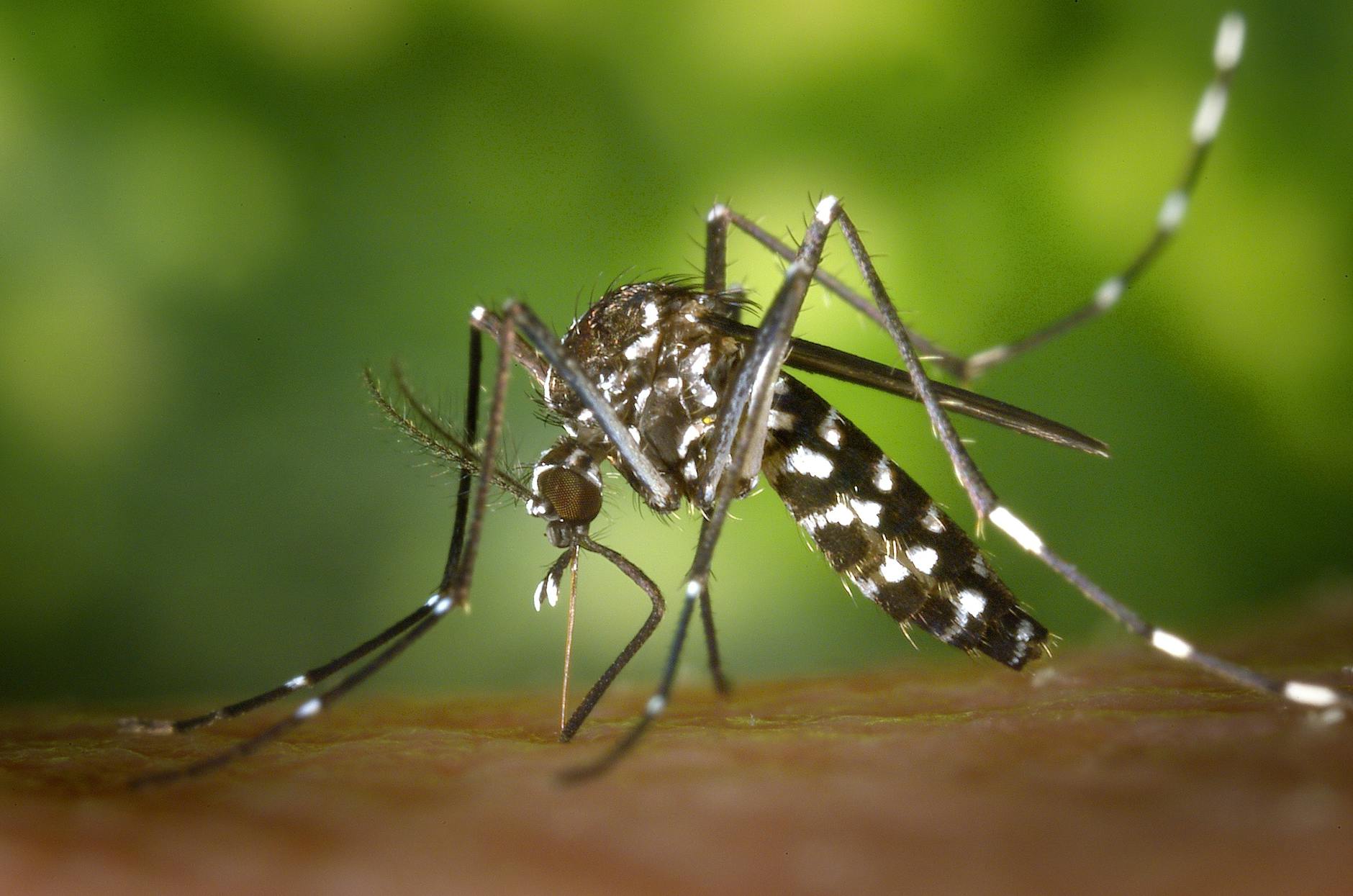 Image: Pexels/Pixabay
For influenza, the EU/EEA remains the primary area of concern. While the Northern Hemisphere’s flu season typically peaks between December and February, late-season activity through April and into May has been documented with increasing frequency in recent years. The persistence of influenza transmission beyond the conventional season window complicates vaccination planning and can exhaust antiviral stockpiles earmarked for the following year’s readiness cycle.
Risk Assessment
For the general European population, the ECDC characterizes these threats at differentiated risk levels. Cholera risk to EU/EEA residents without travel to endemic regions remains low, given robust water treatment infrastructure. However, travelers to active transmission zones — particularly parts of West and East Africa, the Horn of Africa, and conflict-affected areas where water infrastructure has been disrupted — face meaningful exposure risk if they consume unverified water or food.
Chikungunya poses a low-to-moderate importation risk and a low but non-negligible risk of local transmission in southern European nations where vector mosquitoes are established. Travelers returning from tropical and subtropical regions with fever and acute joint pain should seek prompt medical evaluation, as chikungunya is frequently misdiagnosed as dengue or other arboviral illness, delaying appropriate care. The elderly and those with underlying joint conditions are at elevated risk for prolonged, debilitating arthralgia that can persist for months to years post-infection.
Influenza risk assessment entering May is lower than peak-season levels but not negligible, particularly for immunocompromised individuals, adults over 65, pregnant women, and young children who did not receive vaccination during the primary campaign. MERS-CoV continues to pose a very low community-level risk to European populations but warrants sustained vigilance in healthcare settings, where nosocomial amplification events have historically driven cluster outbreaks.
The Week 14 ECDC report’s inclusion of HIV as a monitored threat reflects the agency’s broader mandate beyond acute outbreaks — HIV surveillance informs treatment access and prevention program calibration across the EU/EEA, where certain subpopulations continue to face late diagnosis rates that undermine effective care.
Prevention & Response
For cholera, the World Health Organization and national health ministries continue to recommend a layered response: ensuring access to oral rehydration therapy in affected communities, maintaining surveillance at points of entry for symptomatic travelers, and expanding oral cholera vaccine (OCV) coverage in highest-risk zones. OCV stockpiles have faced intermittent pressure given the global scale of demand, though international coordination through the International Coordinating Group on Vaccine Provision has helped manage allocation.
On chikungunya, the primary public health tool remains vector control — targeted insecticide spraying, larval habitat elimination (standing water in urban and peri-urban settings), and personal protective measures including long-sleeved clothing and repellents. A chikungunya vaccine developed by Valneva received regulatory approval in multiple jurisdictions in recent years and is recommended for travelers to high-risk regions, particularly those over 65 or with pre-existing joint conditions. European vector surveillance programs coordinate with the ECDC to track mosquito range expansion and issue risk maps updated seasonally.
For influenza, the ECDC and member state public health agencies emphasize that antiviral treatment with neuraminidase inhibitors (such as oseltamivir) remains effective when initiated early in illness. Vaccination campaigns for the 2025–26 season are complete, but health authorities are already engaged in strain selection deliberations for the 2026–27 formulation. Continued genomic surveillance is essential to detect antigenic drift that could reduce vaccine effectiveness in the remaining weeks of transmission.
The ECDC’s weekly CDTR system itself represents a cornerstone of the EU’s public health architecture — by synthesizing threat signals from across member states and global partners, it enables coordinated response planning before individual outbreaks escalate to regional emergencies. The sustained multi-pathogen nature of the current surveillance landscape, with no single emergency dominating attention, underscores the importance of maintaining broad-spectrum monitoring capacity rather than narrowing focus to headline-generating crises alone.
Sources
- ECDC Communicable Disease Threats Report, Week 18 (25–30 April 2026): ecdc.europa.eu
- ECDC Communicable Disease Threats Report, Week 14 (28 March–3 April 2026): ecdc.europa.eu