Chad Battles Measles and Meningitis as Sudan Displacement Crisis Deepens
Eastern Chad faces simultaneous measles and meningitis C outbreaks among Sudanese refugees, as Denmark confirms a clade 1b mpox case in Europe.
Overview
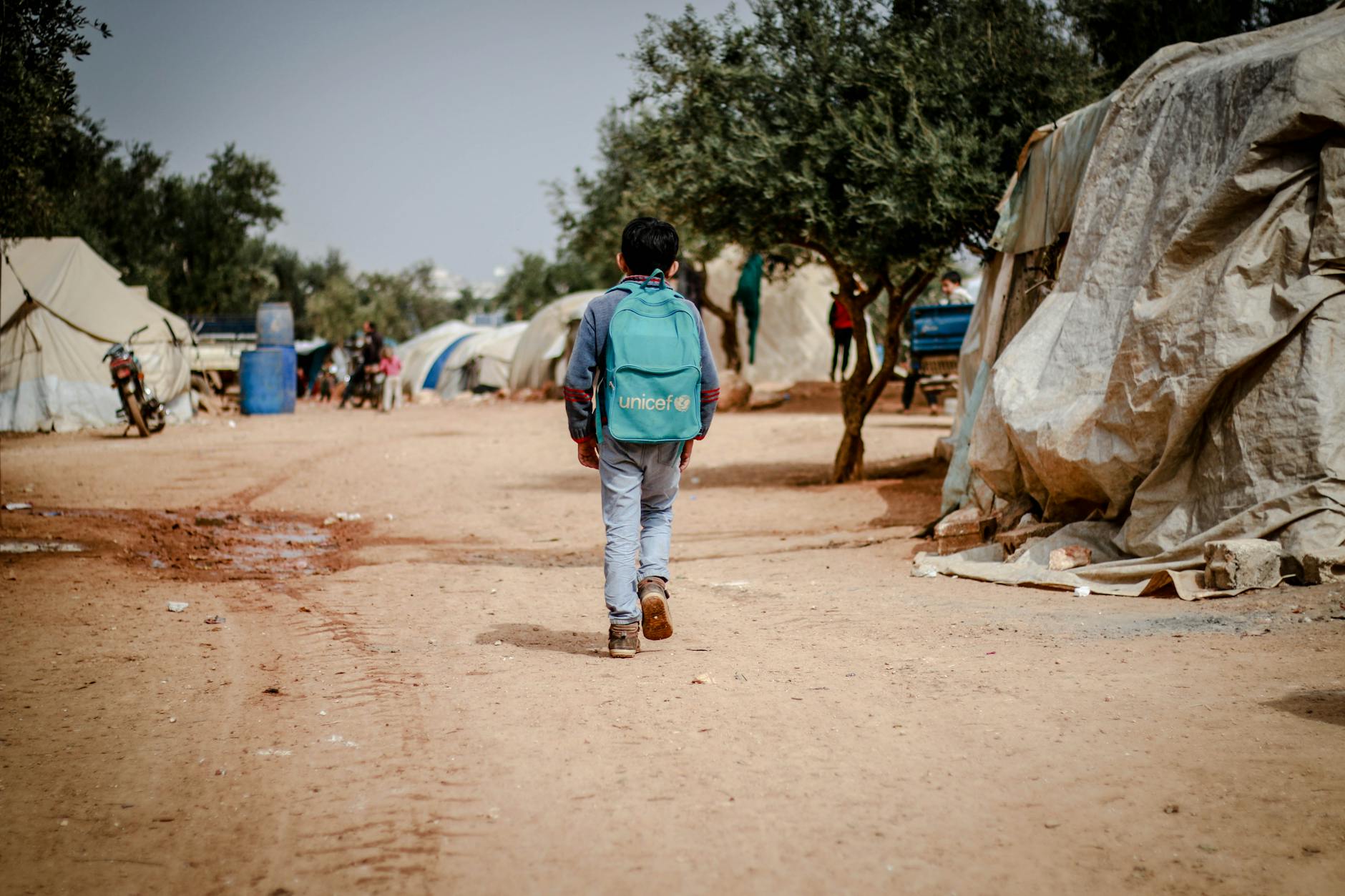
Eastern Chad is contending with two simultaneous infectious disease outbreaks — measles and meningitis C — at precisely the moment when the country is absorbing a large and rapidly growing population of people displaced by the ongoing conflict in Sudan. According to CIDRAP, thousands of refugees have crossed into eastern Chad, creating the kind of dense, under-resourced temporary settlement conditions that are historically among the most efficient incubators for vaccine-preventable diseases. At the same time, European public health authorities have confirmed a case of clade 1b mpox in Denmark, marking the continued westward movement of a viral variant that has defined much of sub-Saharan Africa’s mpox crisis since 2024.
These three developments — measles, meningitis, and mpox — are not epidemiologically connected, but together they illustrate the persistent pressure that conflict, migration, and uneven vaccination access place on global health security.
Current Situation
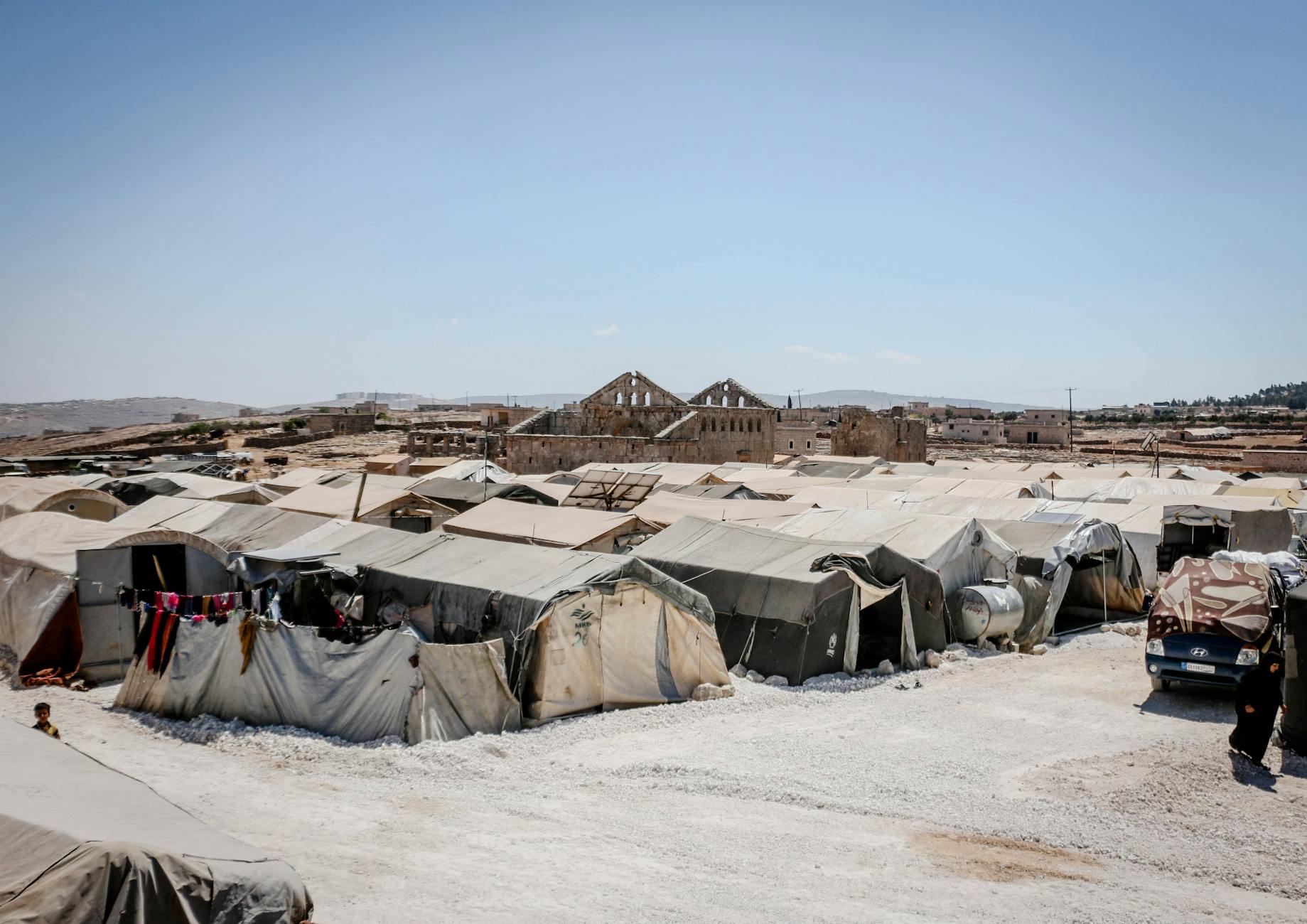 Image: Pexels/Ahmed akacha
The precise case counts for both the measles and meningitis C outbreaks in Chad had not been fully enumerated in available reporting as of late April 2026, reflecting the well-documented challenge of disease surveillance in conflict-affected border zones where health infrastructure is overstretched or absent. CIDRAP reported the outbreaks as active and linked to the displacement crisis, but detailed epidemiological breakdowns — including confirmed case totals and fatality figures — were not yet publicly available at the time of publication.
What can be inferred from the epidemiological context is significant. Measles case fatality rates in humanitarian emergencies can reach 1–5%, and even higher among severely malnourished children under five, a population almost certainly present in large numbers among refugee arrivals from war-torn Sudan. Meningitis C, caused by serogroup C Neisseria meningitidis, carries a case fatality rate of approximately 10–15% even with treatment, and can leave survivors with permanent neurological damage, hearing loss, or limb amputation following septicemia.
The Chad meningitis outbreak falls within a geographic band sometimes referred to informally as the “meningitis belt” — a swath of sub-Saharan Africa stretching from Senegal in the west to Ethiopia in the east where seasonal and epidemic meningococcal disease is endemic, particularly during the dry season from roughly November through June. Chad sits firmly within this belt, and displacement into eastern areas of the country intensifies the risk by concentrating susceptible individuals in close quarters.
The Denmark mpox case involves clade 1b, the variant responsible for a large-scale outbreak across the Democratic Republic of Congo and neighboring countries since 2024. European health authorities have monitored clade 1b carefully since it demonstrated more efficient household and sexual transmission than prior mpox strains. While individual imported cases in Europe have been documented since the clade 1b outbreak’s international spread began, each new confirmation in a high-income country with dense international travel networks warrants standard contact tracing and clinical monitoring.
Affected Regions
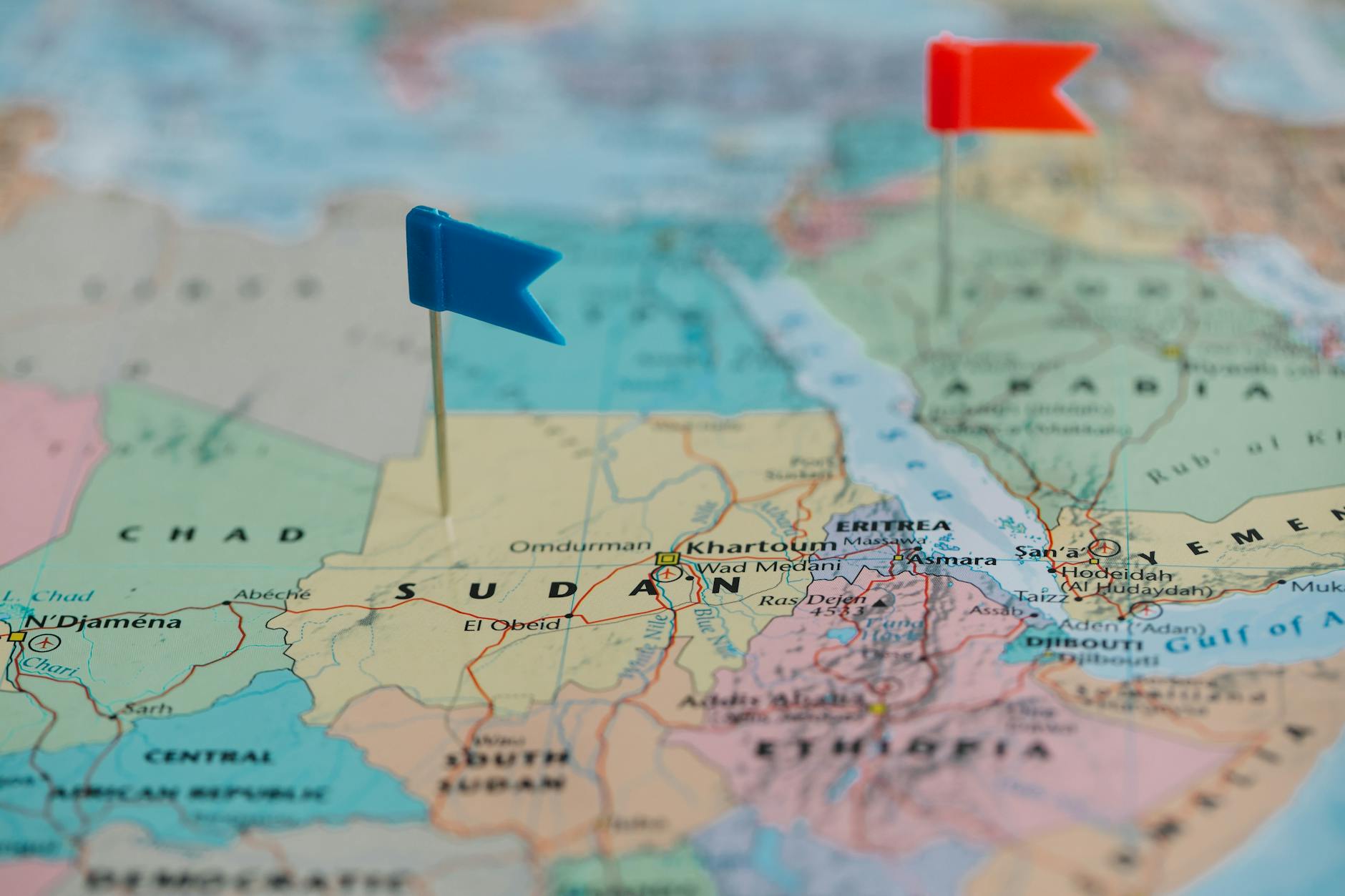 Image: Pexels/Lara Jameson
The outbreaks in Chad are centered in the country’s eastern provinces, which share a porous and lengthy border with Sudan’s Darfur region — one of the epicenters of Sudan’s ongoing civil war between the Sudanese Armed Forces and the Rapid Support Forces. The humanitarian crisis in Sudan has generated one of the largest displacement events in the world, with millions internally displaced and hundreds of thousands seeking refuge in neighboring countries including Chad, Egypt, Ethiopia, and South Sudan.
Eastern Chad has hosted Sudanese refugees for decades — camps such as those near Adré and in the Ouaddaï region have existed since the Darfur crisis of the early 2000s — but the current conflict has dramatically accelerated new arrivals, straining facilities that were already operating well beyond their intended capacity. Overcrowding in informal settlements reduces the physical distance between individuals that limits airborne transmission of measles, and creates the respiratory proximity that facilitates meningococcal spread through respiratory droplets.
The Denmark mpox case represents a distinct geographic thread. Denmark is a high-connectivity European nation with robust public health surveillance, meaning detection of a clade 1b case there reflects the global travel network’s role in amplifying localized outbreaks into international events, rather than indicating any established domestic transmission chain. European Centre for Disease Prevention and Control (ECDC) guidance remains in effect for clinicians to maintain heightened awareness of mpox presentations, particularly in patients with relevant travel or exposure histories.
Risk Assessment
The dual outbreak in eastern Chad carries a high risk classification for the affected displaced population, based on the convergence of several amplifying factors. Vaccination coverage among refugee populations is typically incomplete, interrupted, or entirely absent — medical records may not have survived displacement, and routine immunization services in conflict zones are among the first health system functions to collapse. Measles vaccination requires two doses for full protection, and even a relatively small gap in coverage within a densely packed population is sufficient to sustain transmission chains.
Children under five who are malnourished — a near-universal condition among refugee populations fleeing extended conflict — face measles mortality risks many times higher than well-nourished peers, making rapid mass vaccination the single most critical intervention in the current Chad outbreak.Meningitis C poses a somewhat different risk profile. The serogroup C conjugate vaccine provides strong protection and can be deployed in reactive campaigns, but the speed of meningococcal disease progression — from first symptoms to death can occur within 24 hours — means treatment access is as important as prevention. In settings where referral pathways to hospitals with intravenous antibiotic capacity are disrupted or nonexistent, case fatality rates rise sharply.
The clade 1b mpox case in Denmark poses low population-level risk for European countries with functional public health systems, but serves as a reminder that the pathogen’s international spread is ongoing. Clade 1b has shown particular efficiency in transmission within households and through sexual networks. European health authorities have adequate contact tracing infrastructure, and smallpox-derived vaccines (such as MVA-BN/Jynneos) remain available for ring vaccination around confirmed cases.
Prevention & Response
In conflict-affected outbreak settings like eastern Chad, the international humanitarian health response typically involves a layered structure. WHO, UNICEF, and implementing partners such as Médecins Sans Frontières and the International Federation of Red Cross and Red Crescent Societies coordinate to provide reactive vaccination campaigns, case management, and epidemiological surveillance. For measles, the standard intervention is a mass immunization campaign targeting children from six months through 15 years regardless of prior vaccination history — the logistical and documentation challenges of a refugee crisis make universal targeting more reliable than attempting to verify individual vaccination status.
For meningitis C specifically, reactive vaccination using meningococcal conjugate vaccine (MenACWYX or equivalent serogroup C-targeting formulations) is the established WHO-recommended response protocol for outbreaks exceeding defined attack rate thresholds. Lumbar puncture, clinical diagnosis, and antibiotic treatment — primarily third-generation cephalosporins — are standard for confirmed and suspected cases, though accessing these interventions in resource-constrained eastern Chad requires significant logistical support.
Underlying the immediate outbreak response is a longer-term challenge: the MenAfriVac campaign that dramatically reduced serogroup A meningitis across the meningitis belt did not cover serogroup C, meaning population immunity against the C serogroup remains lower than public health workers would prefer heading into an emergency displacement scenario. Advocacy for expanded serogroup coverage in the belt continues within WHO’s meningitis roadmap, though implementation across conflict-affected Sahelian states remains incomplete.
For the Denmark clade 1b mpox case, ECDC protocols recommend immediate contact tracing, monitoring of close contacts for 21 days post-exposure, and consideration of post-exposure prophylaxis vaccination for high-risk contacts. The case is unlikely to represent a transmission cluster at this stage but will be monitored carefully given clade 1b’s demonstrated capacity for more sustained community spread than earlier mpox variants.
Globally, the convergence of these events underscores an argument that epidemiologists have made repeatedly: disease outbreaks are rarely purely biological events. The measles and meningitis C crises in eastern Chad are downstream consequences of armed conflict in Sudan. Addressing the root political and security conditions that generate displacement is the upstream public health intervention that no vaccine campaign can substitute for.
Sources
- CIDRAP (Center for Infectious Disease Research and Policy) — “Quick takes: Measles, meningitis outbreaks in Chad; clade 1b mpox in Denmark; gonorrhea vax candidate,” April 28, 2026. https://www.cidrap.umn.edu/measles/quick-takes-measles-meningitis-outbreaks-chad-clade-1b-mpox-denmark-gonorrhea-vax-candidate