Alleged Assassination Attempt on Trump Sends Shockwave Through US Politics
An alleged assassination attempt on President Trump has triggered a major US domestic security response. Details remain scarce, but the implications are significant.
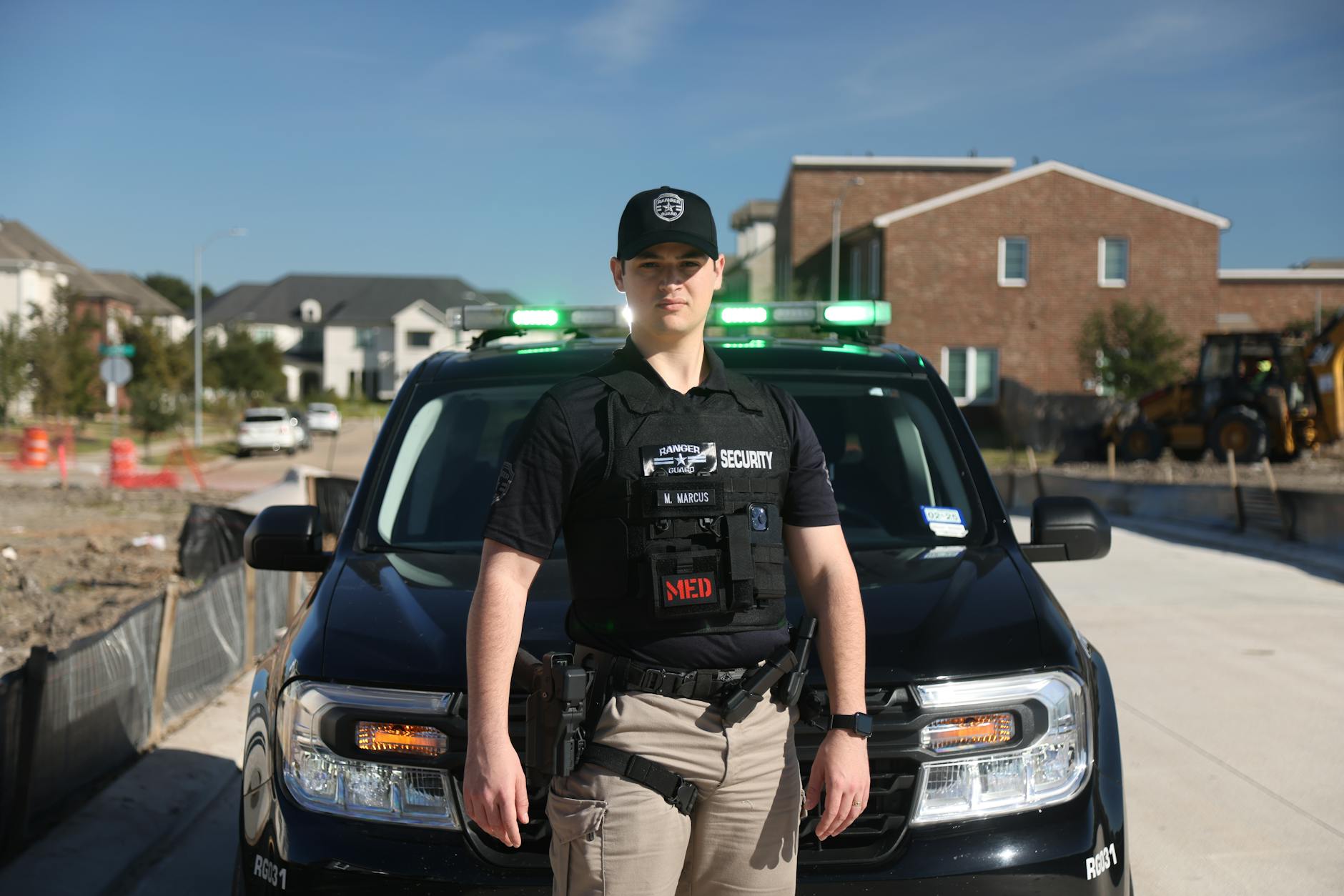
An alleged attempt on the life of a sitting American president is among the most destabilizing events a democracy can experience. That is what the United States woke up to on May 1, 2026.
Details remain limited and, in some respects, contested. But what is already clear is that the incident—whatever its exact shape—will reverberate far beyond a single news cycle. It cuts directly to questions of democratic stability, political violence, and the security of the world’s most powerful office.
What Happened
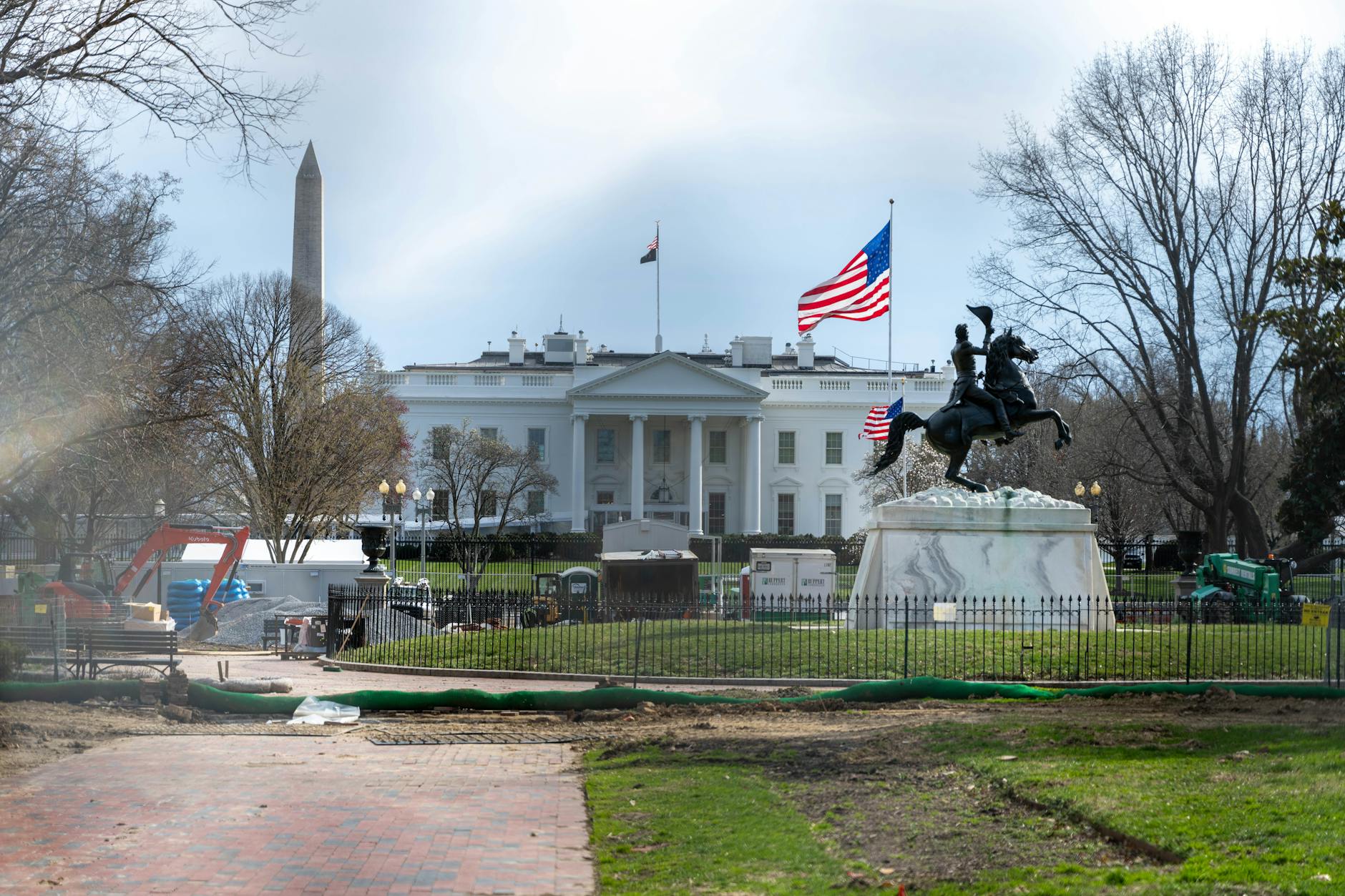 Image: Pexels/Quang Vuong
According to War Monitor, an open-source conflict tracking platform, an alleged assassination attempt targeting President Donald Trump was recorded in the early hours of May 1, 2026, receiving a severity rating of 8 out of 10—placing it among the most serious domestic security events the platform tracks. The incident was categorized under US domestic security and terrorism monitoring.
As of the time of writing, official details from the US Secret Service, the FBI, or the White House have not been independently verified or publicly confirmed in full. This article reflects the state of reporting at the time of publication, and readers should expect the factual picture to evolve substantially in the hours and days ahead.
What is standard in these situations: the Secret Service’s Counter Assault Team and the broader presidential protection apparatus would have been immediately activated. Federal law enforcement—including the FBI’s Joint Terrorism Task Forces—would assume jurisdiction over the investigation. Any credible threat of this nature triggers protocols that have been refined since the assassination of President John F. Kennedy in 1963 and updated repeatedly following subsequent attempts on presidents Ford, Reagan, and others.
The word “alleged” matters here. US law enforcement and intelligence agencies are careful about premature attribution, particularly in politically charged moments. Whether this was a credible close-call, a disrupted plot, or an incident still being assessed will determine the severity of what follows.
Why It Matters
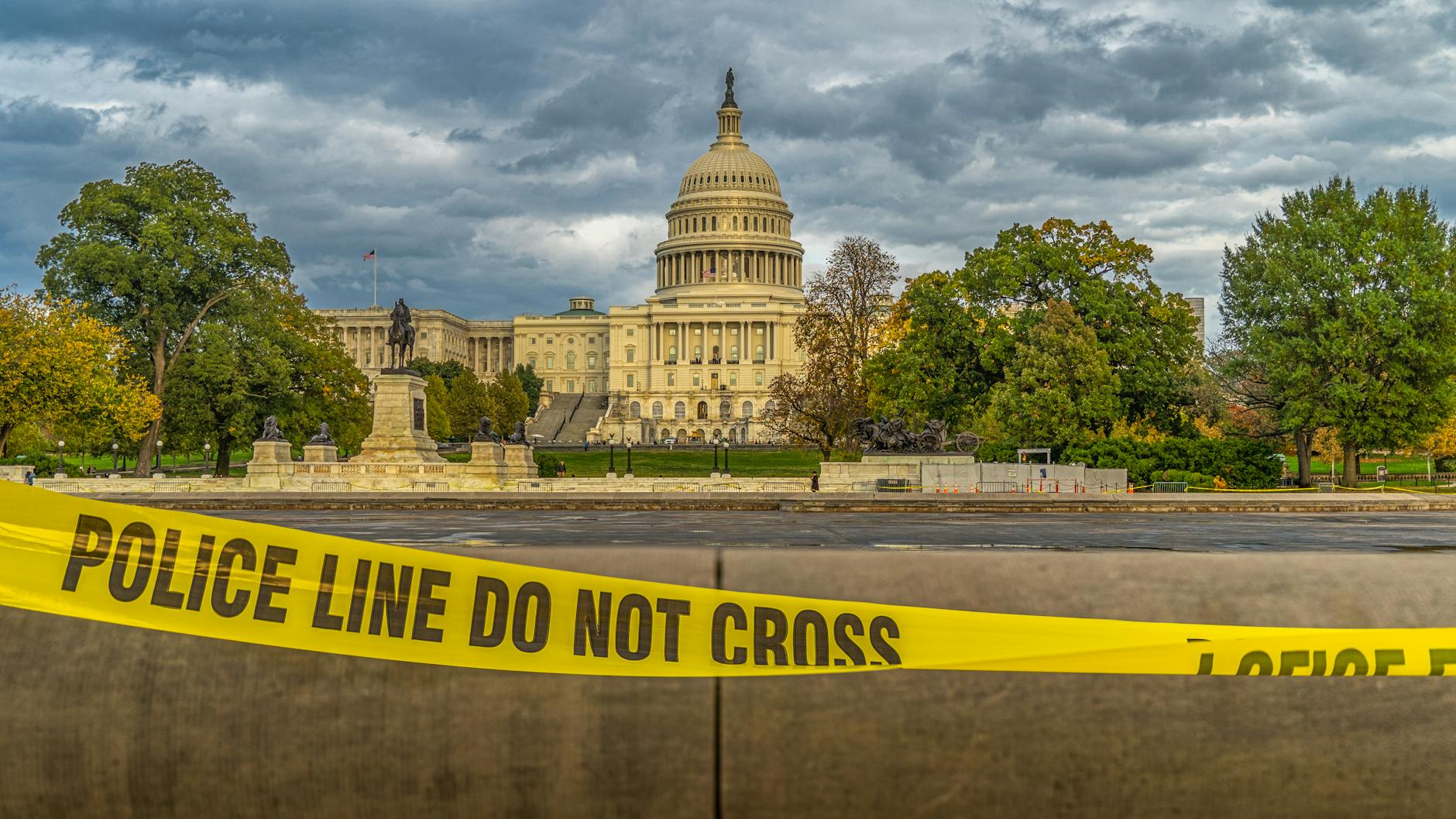 Image: Pexels/Pierre Blaché
The United States has a line of succession. It has the 25th Amendment. It has institutional continuity mechanisms. But none of that is the point. The point is that political violence at this level—directed at the chief executive—sends a signal about the health of a democracy that no procedural safeguard can fully absorb.
Historically, assassination attempts in the US have reshaped the political landscape regardless of outcome. The 1981 attempt on President Ronald Reagan triggered a weeks-long uncertainty about executive authority. More recently, the 2024 shooting at a Trump campaign rally in Butler, Pennsylvania—which injured Trump and killed a bystander—fundamentally altered the trajectory of that year’s presidential race and inflamed an already volatile political atmosphere.
If this new alleged incident is confirmed as a genuine attempt, the political consequences will be immediate and severe. Expect emergency security reviews across all presidential engagements. Expect congressional hearings on how the attempt occurred and who may be responsible. Expect, almost certainly, a significant escalation in political rhetoric from all sides—with competing narratives about causation, blame, and what kind of country produces this kind of violence.
The domestic security implications are also significant. The Secret Service has faced years of scrutiny over staffing shortfalls and lapses in protective protocol. The 2024 Butler shooting intensified congressional pressure on the agency. A second high-profile incident would almost certainly result in leadership changes, a restructuring of protective operations, and a fundamental reassessment of how presidential security is resourced.
The Bigger Picture
America’s political environment has grown steadily more volatile over the past decade. Polarization is not merely rhetorical—it has translated into real-world violence. The FBI has documented a sustained increase in domestic terrorism cases, threats against public officials, and politically motivated violence across the ideological spectrum.
Trump himself has been a uniquely polarizing figure, inspiring extraordinary loyalty among supporters and extraordinary opposition from critics. That duality creates an unusually complex threat environment for his protection detail. Threats can, and have, come from multiple directions and ideological motivations—a fact that shapes how federal agencies analyze and prioritize intelligence.
Globally, the incident will be watched closely. US allies will be assessing the stability of the executive branch. Adversaries—including Russia, China, and Iran, all of which have demonstrated interest in exploiting American domestic dysfunction—will be taking note. Political instability in Washington tends to create opportunity elsewhere: in ongoing negotiations, in alliance management, in the credibility of US commitments abroad.
The 2026 midterm elections are also approaching. An assassination attempt, if confirmed and politically attributable, will have unpredictable but certain effects on the electoral environment—potentially galvanizing supporters, hardening political identities, and making an already difficult midterm landscape even more combustible.
What to Watch
Several key questions will define how this story develops:
Who is responsible? Attribution will be the critical first variable. A domestic actor acting alone carries different implications than an organized domestic extremist network—and both are categorically different from a foreign-sponsored plot. The ideological and operational profile of any suspect will shape the political and policy response enormously.
What was the method and proximity? The difference between a foiled long-range plot and a close-contact incident matters greatly for the security postmortem. The more sophisticated and close the attempt, the more severe the institutional reckoning.
How will the administration respond? Presidents historically use security incidents to project strength and resolve. Watch for how Trump and his team frame the narrative—both for domestic political purposes and for the international audience.
Will the legal and investigative process be transparent? Post-incident credibility depends heavily on whether the public receives a clear, evidence-based account of what happened and why. Any perception of a cover-up or political manipulation of the investigation would dramatically worsen an already fraught situation.
What happens to political rhetoric? In the immediate aftermath of the 2024 Butler shooting, there were brief calls for tonal de-escalation from both parties. Those calls dissipated quickly. Whether this incident produces any durable change in how American political leaders talk about opponents—or their fates—is an open and important question.
The full picture of what happened on May 1, 2026, will take time to emerge. What does not take time to understand is the gravity of the moment. When a president’s life is targeted, every institution in the democracy is tested at once. How the United States responds—in courts, in congress, in media, and in public discourse—will say a great deal about where the country actually stands.
This article reflects information available at time of publication. Significant developments are expected as official investigations proceed. Conflict Live will update analysis as confirmed details emerge.