Alleged Assassination Attempt on Trump Raises US Security Alarms
An alleged assassination attempt on President Trump has rattled US domestic security. Here's what's known, why it matters, and what comes next.
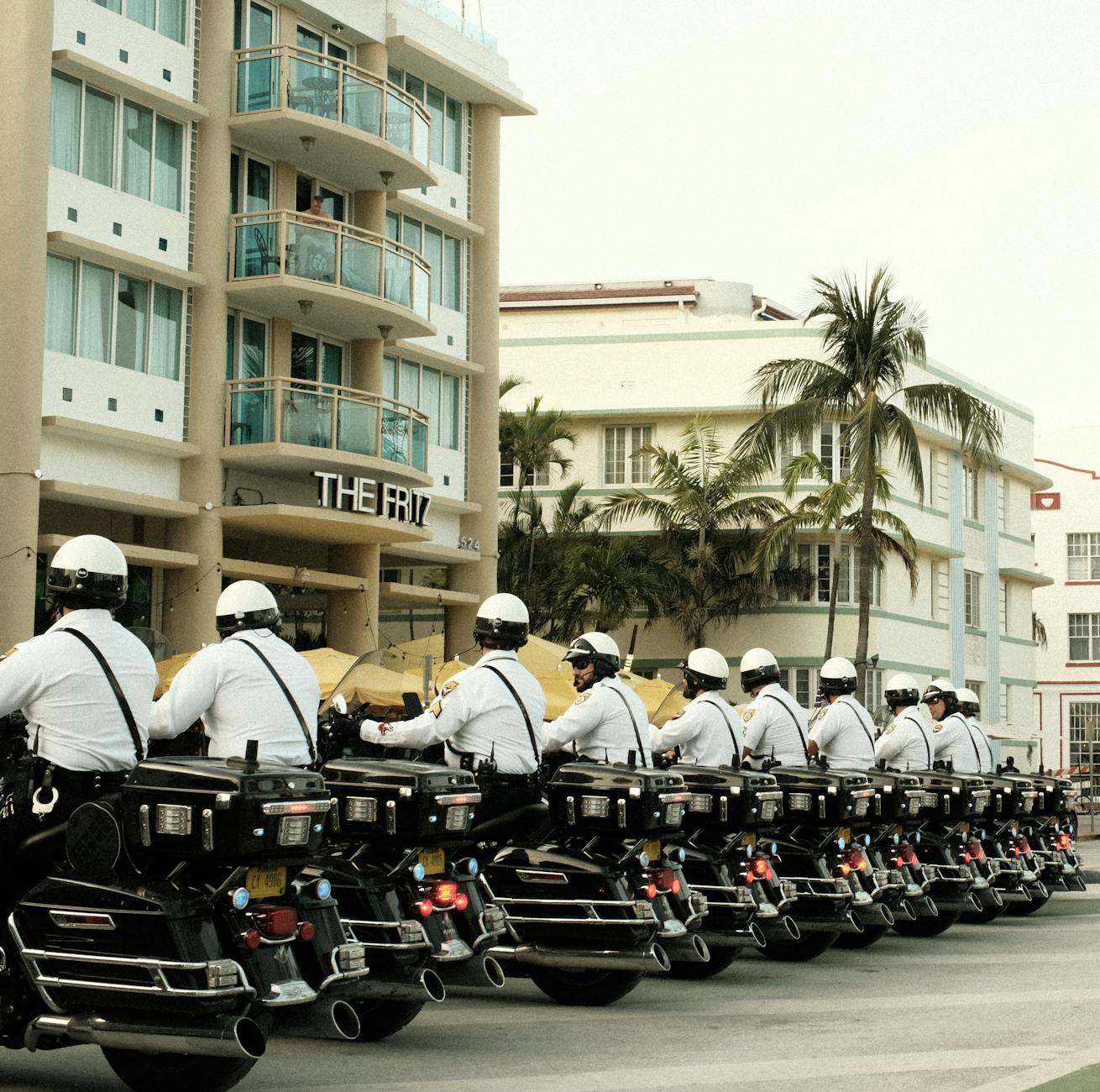
The United States woke to deeply unsettling news this week: security monitors have flagged an alleged assassination attempt against President Donald Trump, rated at severity 8 out of 10 — a classification reserved for incidents with credible, immediate threat to life. In a country still processing a turbulent political era, the implications reach far beyond one man’s safety.
What Happened
 Image: Pexels/Pixabay
According to War Monitor, a real-time conflict and threat-monitoring platform, an incident categorized under US domestic terrorism was logged in the early hours of May 1, 2026. The platform assigned it a severity rating of 8, indicating a high-confidence, high-consequence threat. Details beyond the classification remain sparse in open-source reporting at this stage — a common feature of active security incidents where authorities restrict information flow to protect operational responses.
What is confirmed through the monitor’s alert system is that the incident falls under the broad category of “US Domestic Security” threats, specifically tied to the president. It is the first such logged incident of this type in the platform’s current tracking cycle.
At time of writing, no major wire services — Reuters, AP, AFP — had published confirmed independent accounts of the specific nature of the alleged attempt, its location, or the identity of any suspect or suspects. That silence itself is notable: either information is under active embargo by law enforcement, or the full picture is still being established. Unverified severity-8 alerts of this nature are rare and should not be dismissed, but require independent confirmation before treating any single detail as established fact.
Why It Matters
An alleged assassination attempt on a sitting US president is not merely a domestic law enforcement matter — it is a geopolitical event with cascading consequences.
First, consider the threat environment. The 2024 election cycle produced at least two publicly confirmed assassination attempts against Trump while he was a candidate. The Butler, Pennsylvania shooting in July 2024 and a separate incident in Florida demonstrated both the operational gaps in Secret Service coverage and the depth of political radicalization in segments of American society. A third alleged incident — if confirmed — would represent a disturbing pattern, not an anomaly.
Second, the political fallout is immediate. In a polarized Washington, any allegation of this magnitude becomes instantly weaponized. The administration will face pressure to respond loudly; critics will demand transparency about what security protocols failed or were circumvented. Neither side’s instinct in that environment is toward calm deliberation.
Third, foreign adversaries watch these moments closely. Instability around US executive power — even perceived instability — affects how allies read American commitments and how rivals calibrate their own risk tolerance. A president visibly under threat at home is a president whose bandwidth for foreign policy signaling is reduced.
The Bigger Picture
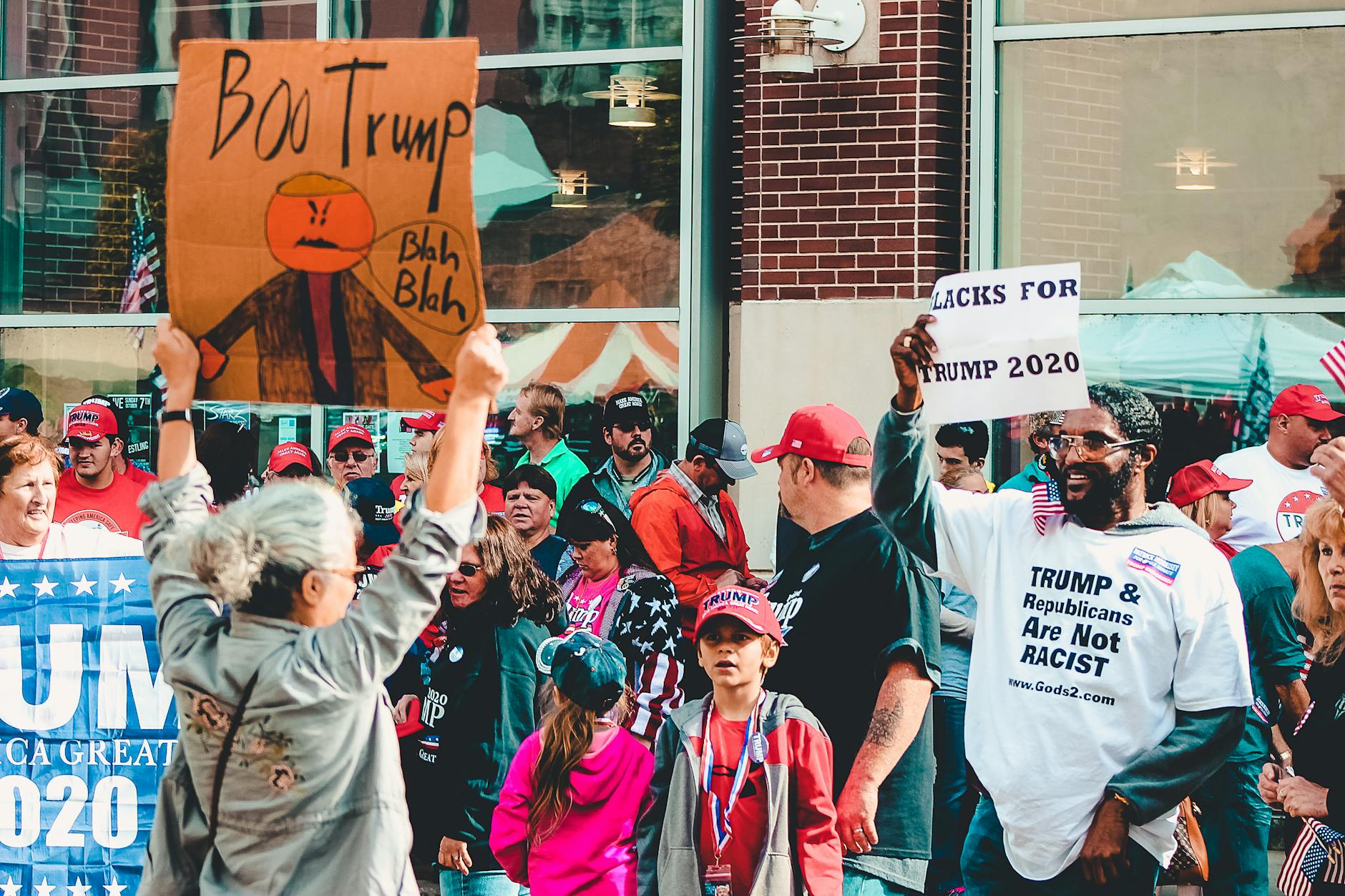 Image: Pexels/Rosemary Ketchum
The United States has been grappling with a sustained rise in political violence and extremist threat activity since at least 2020. According to the FBI and Department of Homeland Security, domestic violent extremism — spanning ideologically motivated actors across the political spectrum — has been the primary terrorism threat inside the country for several years running.
What makes this period distinctive is the convergence of several accelerants: deep distrust of institutions, high-velocity social media ecosystems that radicalize individuals in months rather than years, and a political culture in which the opposing side is increasingly framed not as wrong but as existentially dangerous. Those conditions do not produce violence automatically, but they lower the threshold for it.
The Secret Service has faced sustained criticism and leadership turbulence since the 2024 incidents. A full operational overhaul was announced following the Butler shooting, including changes to advance team protocols, venue security assessments, and inter-agency communication. Whether those reforms have been fully implemented — and whether they proved sufficient — is a question that will now be asked with fresh urgency.
It is also worth noting the international dimension of domestic political violence in the United States. US intelligence agencies have previously documented foreign influence operations designed to amplify social division and, in some cases, inspire or facilitate violence against American leadership. Attribution for any alleged incident of this kind is rarely simple.
What to Watch
In the coming 24 to 72 hours, several developments will clarify the picture significantly:
Official confirmation and characterization. The White House, FBI, and Secret Service will eventually be required to address this publicly. Watch for whether they describe the alleged attempt as a lone-actor incident, an organized plot, or something connected to foreign influence. The framing chosen will shape both the legal response and the political narrative.
Congressional reaction. In a closely divided legislature, allegations of presidential assassination attempts typically produce rare moments of cross-party solidarity — but also fierce competition to control the story. Hearings and security briefings are likely.
Social media and disinformation dynamics. Past incidents have been accompanied by rapid spread of false details — suspect identities, supposed manifestos, fabricated timelines. The information environment in the first hours after an incident like this is almost always worse than the reality. Responsible consumption means waiting for corroborated reporting from established news organizations before accepting any specific claim.
Policy response. Administrations often use high-profile security incidents to advance legislative or executive action on domestic security, surveillance, or social media regulation. Watch for whether this alleged incident is leveraged in policy arguments regardless of its ultimate disposition.
The bottom line: a SEV 8 alert from a credible monitoring platform demands serious attention. But it also demands patience. The full picture of what allegedly occurred on May 1 is not yet public. What is already clear is that the structural conditions that make such events possible — political polarization, weakened institutional trust, domestic extremism — remain firmly in place. That is the real story, regardless of how the specific details of this incident ultimately resolve.
This analysis is based on currently available open-source information. The situation is developing. Readers are advised to follow verified reporting from major wire services as additional details emerge.