A Hormuz Blockade Would Shake the Entire World Economy
US-Iran tensions have raised the specter of a naval blockade at the Strait of Hormuz, threatening global oil supply and a potential US-China confrontation.
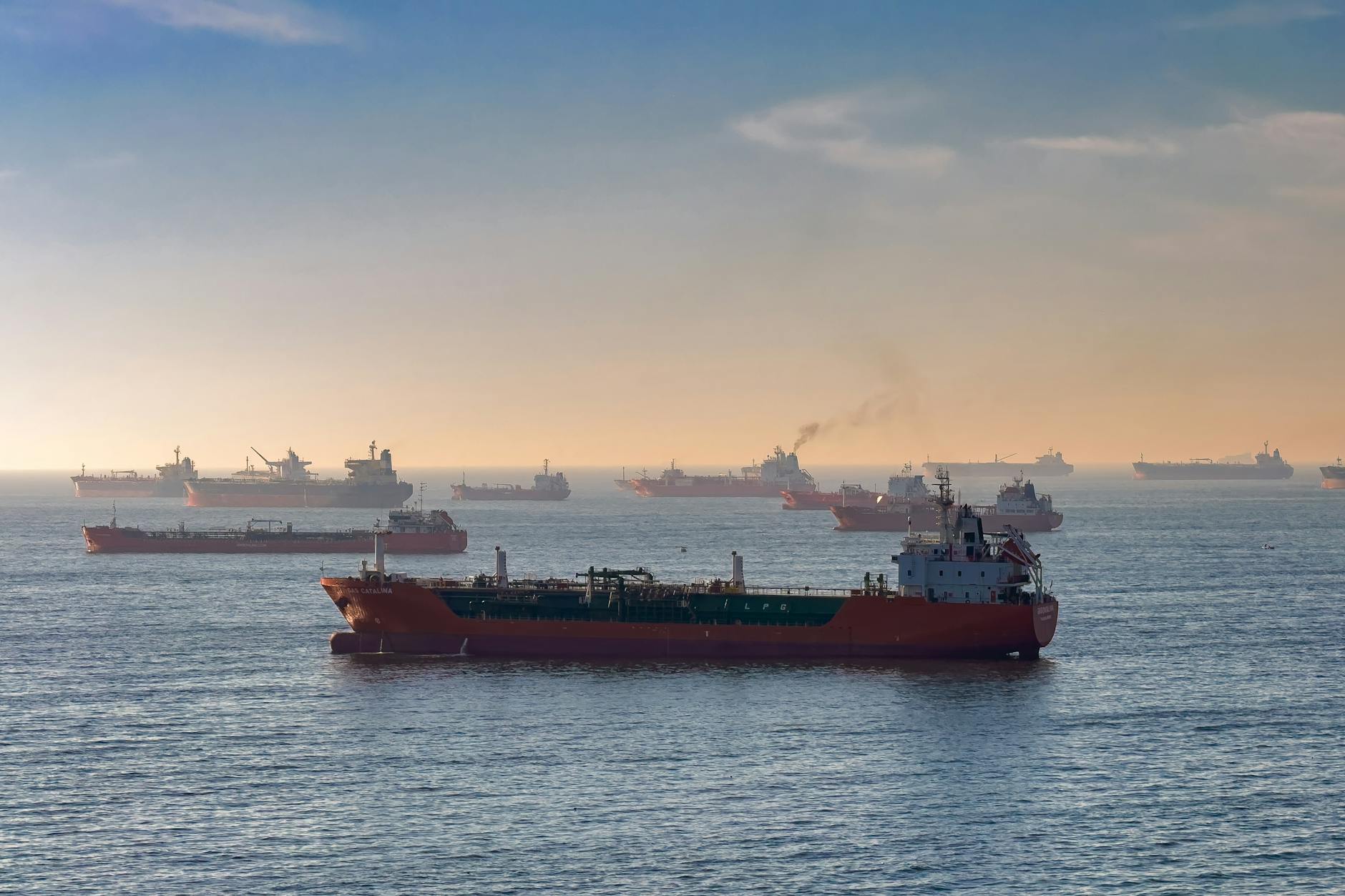
The world’s most important waterway is roughly 33 kilometers wide at its narrowest point. Two lanes of ship traffic, each only three kilometers across, separated by a buffer zone. Through that sliver of water passes nearly one-fifth of all the oil traded on earth. Now, that sliver is at the center of the most consequential standoff in US-Iran relations in years — and the implications stretch far beyond the Persian Gulf.
What Happened
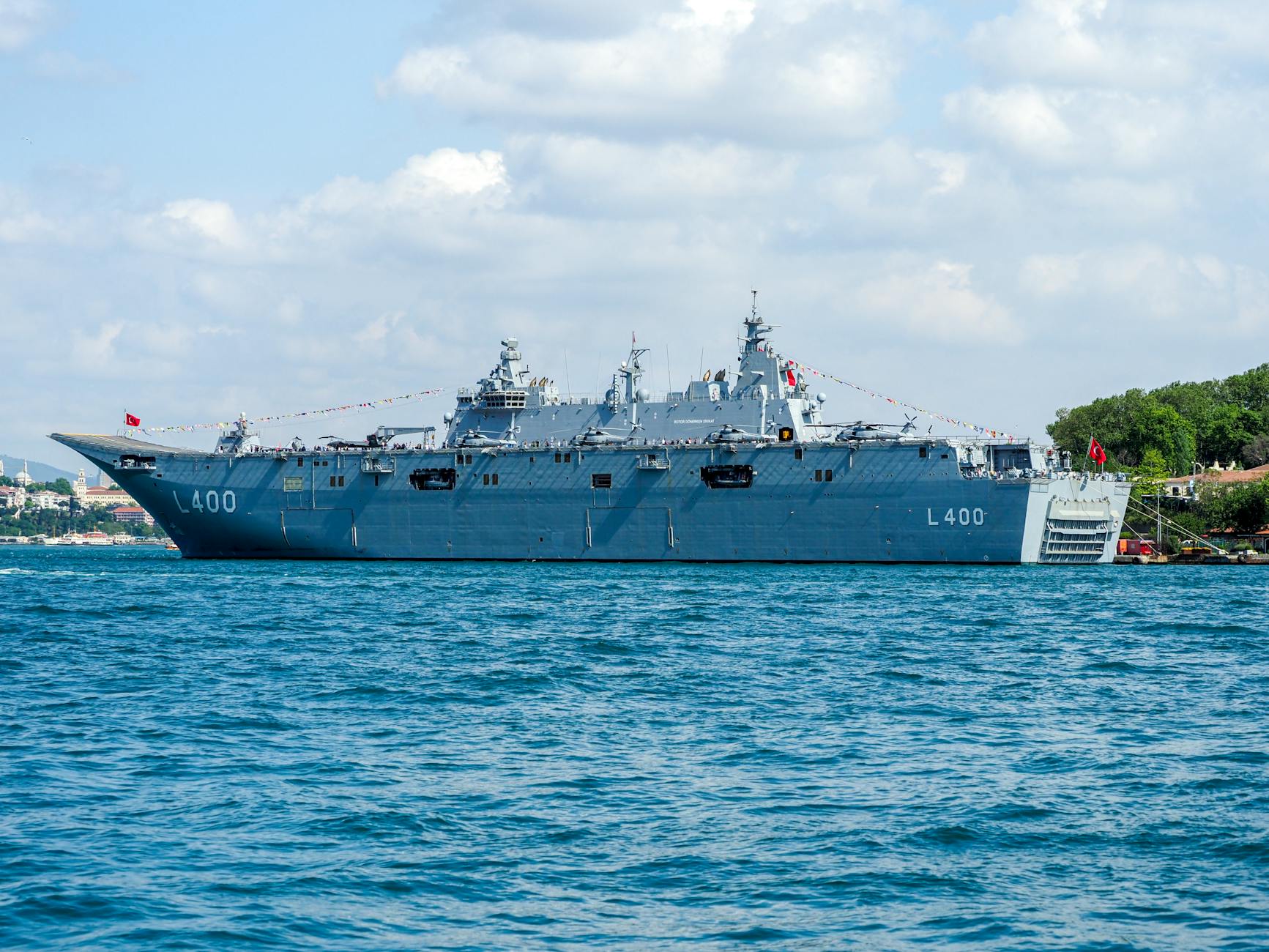 Image: Pexels/Abdurahman Yarichev
According to analysis tracked by War Monitor, the current trajectory of US-Iran tensions has put a naval blockade of the Strait of Hormuz squarely on the table as a possible American strategic move. Whether as a coercive tool or a direct response to Iranian aggression, the scenario involves the US Navy — headquartered at Bahrain’s Naval Support Activity, home of the Fifth Fleet — effectively halting tanker traffic through the strait.
This isn’t a new threat in abstract terms. Iran itself has repeatedly warned it could close Hormuz in response to military pressure, most recently during periods of heightened friction over its nuclear program. What has changed is the credibility assigned to an American-led blockade: a proactive move by Washington to strangle Iranian oil exports, enforce broader sanctions, or signal resolve in a standoff that has been quietly intensifying through 2025 and into 2026.
The trigger for the current escalation cycle, according to regional security monitors, involves a combination of Iran’s continued uranium enrichment at levels well beyond civilian thresholds, alleged Iranian weapons transfers to proxy forces across the region, and a hardening of the US posture under its current strategic framework in the Middle East. Diplomatic back-channels, according to Reuters reporting on regional diplomacy, have produced no breakthrough.
The result: both sides appear to be positioning for a confrontation neither can fully afford.
Why It Matters
Here is the number that makes every energy minister on earth nervous: roughly 17 to 21 million barrels of oil pass through the Strait of Hormuz every single day, according to the US Energy Information Administration. That figure represents exports from Saudi Arabia, Iraq, the UAE, Kuwait, and Iran itself, along with significant volumes of liquefied natural gas from Qatar, which supplies much of Europe and Asia.
A blockade — enforced by either side — would not be a regional inconvenience. It would be the most severe single disruption to global energy supply since the 1973 Arab oil embargo, and potentially far worse. Unlike 1973, today’s supply chains are tightly integrated and global. Just-in-time industrial systems from Germany to South Korea depend on predictable energy flows. A sudden price spike of the magnitude analysts at the Council on Foreign Relations have modeled — potentially $40 to $80 per barrel above baseline prices in a sustained closure — would feed directly into inflation, industrial slowdowns, and recession risk across multiple continents.
For context: the world briefly touched $130-per-barrel oil in the weeks after Russia’s 2022 invasion of Ukraine, and that alone was enough to trigger a global cost-of-living crisis. A Hormuz shutdown would be a different order of magnitude.
The human dimension matters equally. Countries like Pakistan, India, Sri Lanka, and several African nations that import fuel with limited reserves and thin subsidy buffers would face fuel shortages within weeks, with cascading effects on food distribution, hospitals, and basic services.
The Bigger Picture
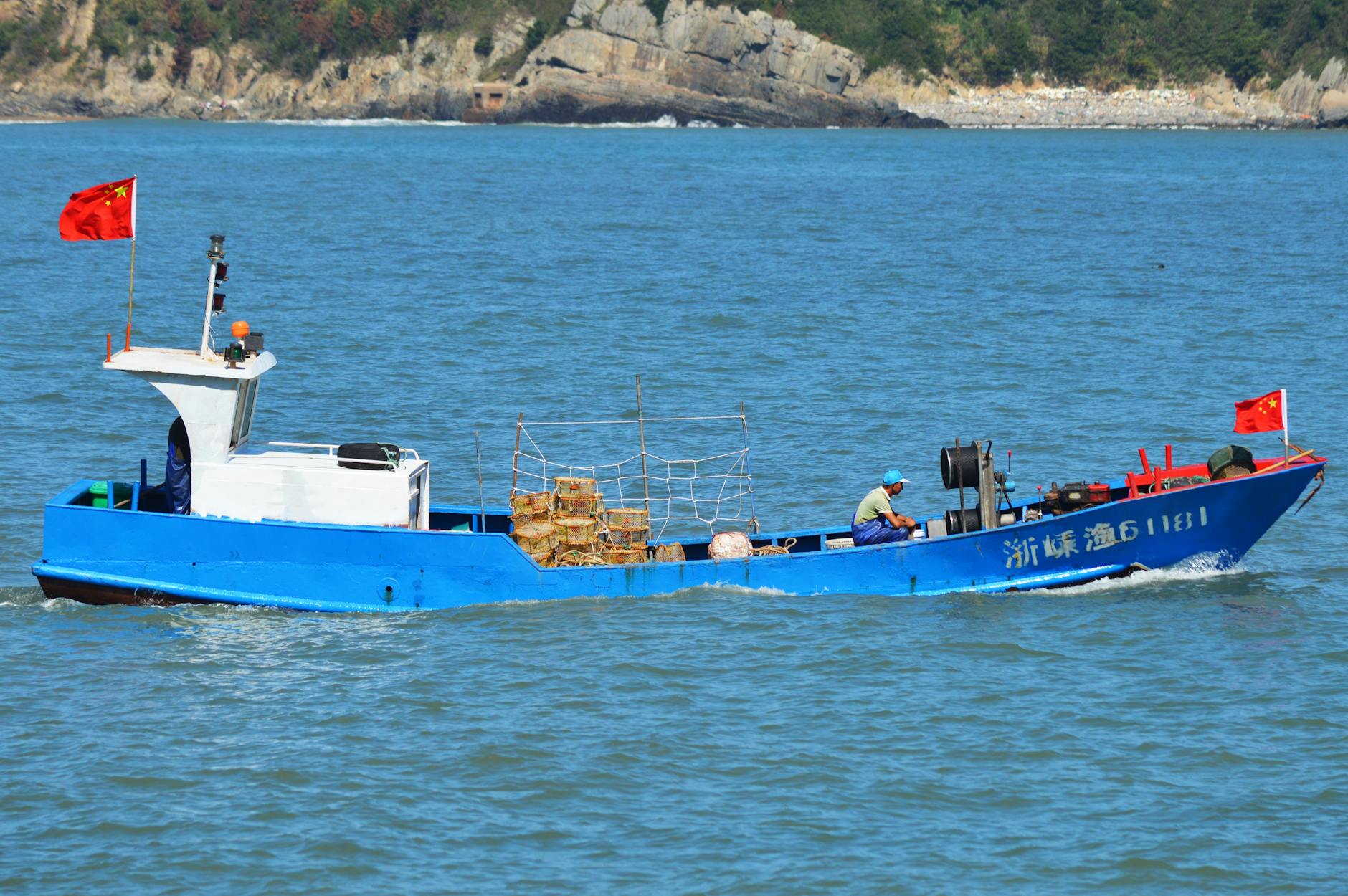 Image: Pexels/NPZH
The variable that makes this scenario genuinely dangerous — rather than merely painful — is China.
Beijing imports approximately 40 to 45 percent of its total oil from Gulf states, with much of it transiting Hormuz. Any disruption to that supply chain is not just an economic problem for China; it is a strategic threat that Beijing’s security establishment has explicitly prepared contingency plans for. China’s dependence on the strait is precisely why it has invested so heavily in alternative pipeline routes through Pakistan (the China-Pakistan Economic Corridor) and Central Asia — but those alternatives remain insufficient to replace sea-borne Gulf oil at current volumes.
If the US were to impose or enforce a blockade, Beijing would face an excruciating choice: accept an American stranglehold on energy supplies critical to its own economy, or intervene — diplomatically, economically, or militarily — to break it. China’s People’s Liberation Army Navy has expanded its presence in the Indian Ocean and Arabian Sea substantially over the past decade, and it maintains port access agreements that would position assets within reach of the Gulf theater.
A direct US-China confrontation in or around the Persian Gulf would rewrite the strategic map of the 21st century. It would simultaneously strain every American alliance in the Indo-Pacific, test the cohesion of NATO, and create openings for other actors — Russia, North Korea, non-state armed groups — to move in spaces left unattended.
From Tehran’s perspective, that complexity is a form of deterrence. Iran has long understood that it does not need to match American military power — it only needs to make American military action prohibitively costly. A Hormuz crisis hands Iran a lever to pull that affects Washington’s relationships with Riyadh, Beijing, Brussels, and New Delhi simultaneously.
Washington’s calculus is no simpler. Hawks within the US security establishment argue that a credible blockade threat, or its actual enforcement, would finally force Iran into genuine nuclear concessions. Skeptics counter that Iran has proven its willingness to absorb economic pain, that a blockade would alienate key partners, and that the military risks of enforcing one — Iranian anti-ship missiles, drone swarms, mine-laying operations — are not trivial even for the US Navy.
Iran’s coastal geography is tailor-made for asymmetric naval warfare. The Revolutionary Guard’s naval forces have spent years developing tactics specifically designed to challenge conventional naval superiority in confined littoral waters. Any enforcement operation would involve real risk to American assets and personnel.
What to Watch
Several indicators will signal how serious this scenario is becoming:
US naval movements in the Gulf. A significant buildup of carrier strike groups or mine-countermeasure vessels beyond routine rotation would be the clearest early signal of preparation for enforcement operations.
Oil futures markets. Traders price geopolitical risk before analysts publish it. A sustained spike in Brent crude above $100 would reflect genuine market belief that the strait is at risk.
Beijing’s diplomatic posture. Watch for unusual Chinese diplomatic activity in Tehran, Riyadh, and Washington simultaneously. China has strong incentive to broker a de-escalation — but also strong incentive to demonstrate it will protect its own supply chain.
Iranian force posture. Any movement of IRGC naval assets, activation of coastal missile batteries, or Iranian naval exercises in the strait area would signal that Tehran is preparing a response rather than backing down.
International shipping rates and insurance. War-risk insurance premiums for vessels transiting the Gulf spiked dramatically in 2019 after attacks on tankers attributed to Iran. A return of those premiums to elevated levels would indicate that insurers — who price risk professionally — believe the threat is real.
The Strait of Hormuz has been called the world’s most important chokepoint for good reason. It has survived decades of tension, two Gulf wars, Iranian-US naval skirmishes, and endless rounds of sanctions. What it has never faced is a deliberate, sustained closure enforced by a major power while a second major power has direct economic skin in the game. That is the scenario now being actively discussed — and it demands attention from anyone who buys fuel, pays energy bills, or lives in a country connected to the global economy. Which is to say: everyone.
Analysis based on regional security monitoring by War Monitor, US Energy Information Administration data on global oil flows, and geopolitical frameworks from the Council on Foreign Relations. Reporting on US-Iran diplomatic channels draws on Reuters regional coverage.